Carrot Soup That Keeps Its Carrot Flavor
Learn when to soften the onion, how much liquid to start with, and what to taste before reaching for cream.
7 min read
The trouble with a pot of carrot soup is that it is easy to make taste of almost anything else. A heavy stock can turn it into chicken soup that happens to be orange. Too much ginger keeps the tongue busy long after the carrot flavor is gone. A long roast brings out sweetness but can leave the soup tasting more like the browned edge of a pan than the vegetable itself. The useful decisions are quieter. Start with carrots that taste good raw. Use enough water to soften them without flooding the pot. Finish with an acid that gives their sweetness somewhere to go.
This recipe makes about four bowls. Buy roughly a pound and a half of carrots and use one small yellow onion, a tablespoon of butter or olive oil, three to four cups of water or mild vegetable broth, salt, and a lemon. Have a little plain yogurt if you want a creamy finish. A small piece of ginger is optional, but keep it large enough to remove before blending. Try one batch without it. The plain soup is useful as a reference because it lets you judge the sweetness and density of the carrots rather than the strength of a spice.
Test a slice at the board
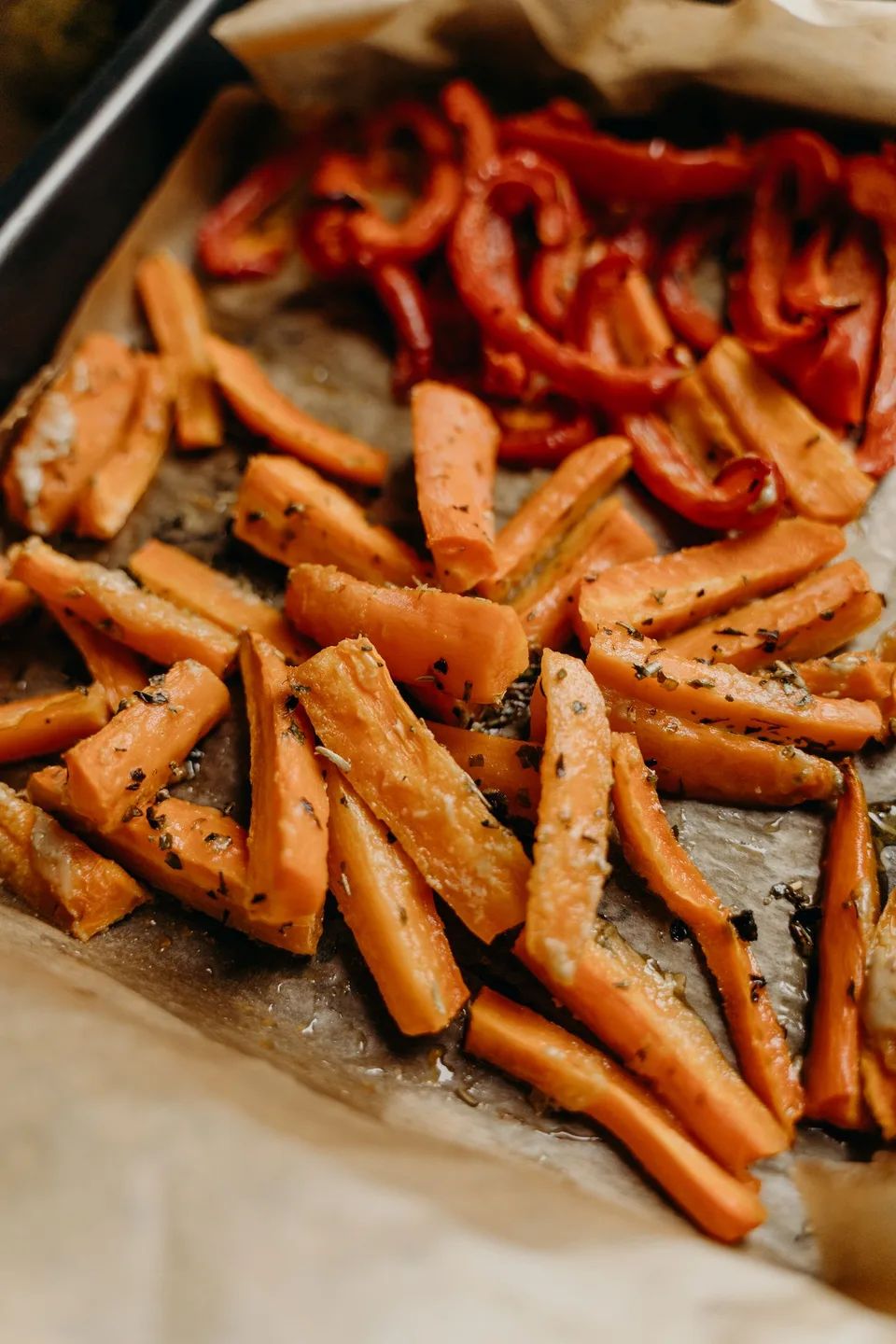
Trim the tops and ends and scrub the carrots. Peel them if the skin seems tough or has a bitter taste. Cut a thin slice from the thick end of one and taste it. A very sweet carrot can use a little more acid in the finished soup. A mild carrot can benefit from a pinch of salt and a thicker blend. Carrots that taste woody when raw may have tough cores. If the center of a large carrot is visibly dry and fibrous, split it lengthwise and trim it away before chopping. This is easier than trying to remove stringy bits from a finished purée.
Cut the carrots into roughly half-inch pieces. Halve the thickest parts first and use a less precise cut on the ends. They do not need to have matching shapes, but they should soften around the same time. A big round with a raw center can survive blending as little orange grains even when everything else is smooth. Slice the onion thinly so it will soften before it colors. It will cook further with the carrots, so you are looking for a head start rather than a long sauté.
Use just enough heat at the beginning
Warm the fat in a heavy pot over medium heat. Add the onion and a small pinch of salt. Stir until the pieces soften and lose their raw smell. If they begin to brown quickly, turn down the heat and add a spoonful of water. Browned onion is good in many soups, but here it can make the base taste darker than you intended. Add the carrots and stir for a minute, just long enough to coat them in the onion and oil. Add a thin peeled piece of ginger now if you are using one. Keep it visible near the top so you can lift it out later.
Pour in three cups of water or mild broth. The carrots should be mostly submerged. Add a little more water if the pot is broad and a substantial amount of carrot sits above the surface. If the broth is already salted, wait until after blending to add more salt. Bring the liquid up to a gentle simmer. Cover partly so you can see what the surface is doing. A few bubbles should rise regularly without throwing the carrots against the lid. Start checking after about twenty minutes. They are ready when a piece breaks under the flat side of a spoon without needing a hard push.
Blend in stages
Take the pot off the heat and remove the ginger. An immersion blender makes it easy to blend in the pot. Keep the blade fully submerged, start low, and move slowly around the base so the liquid stays inside the pot. If there is a lot of liquid above the vegetables, ladle a little into a bowl before blending. You can return it later if the soup is too thick. Blending hot liquid in a countertop blender can build pressure. Follow your appliance's instructions for hot foods, use small batches and a vented lid if appropriate, or allow the soup to cool first. Never fill a sealed blending cup with hot soup.
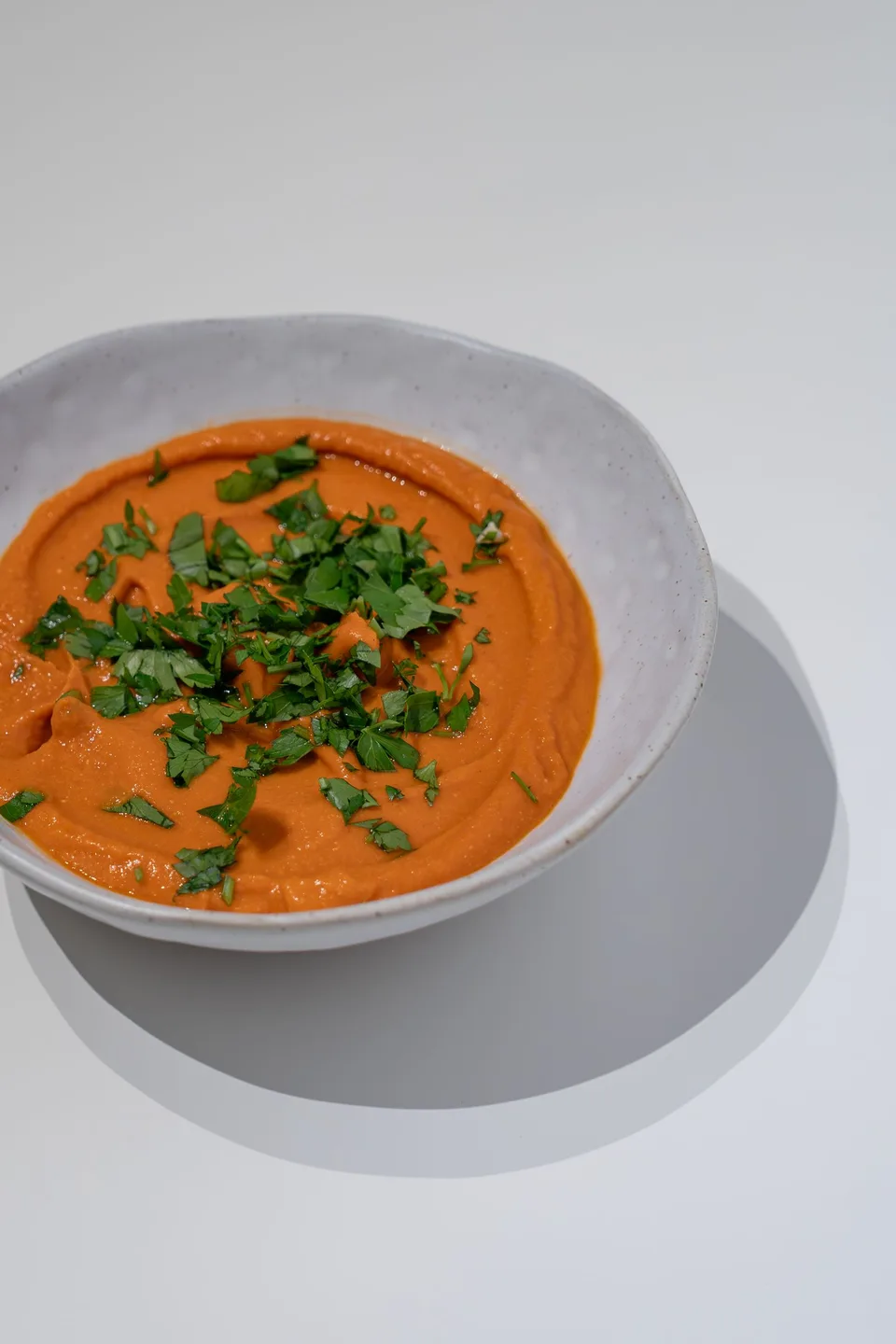
Once the soup is smooth, draw a line through it with a spoon. If the line holds long enough for you to set the spoon down, add some of the reserved liquid and stir. If it closes immediately and the soup has almost no body, warm the soup uncovered for a few minutes and taste again. A warm spoonful should feel full without leaving a heavy coating in the mouth. Thickness is also affected by serving temperature. Soup that appears loose while simmering may feel considerably thicker after it has sat in the bowl for several minutes.
Season a spoonful before changing the pot
Taste the blended soup with no garnish. Put a small amount in a cup and stir in two or three drops of lemon. Taste it against a spoonful from the pot. If the lemon sample is brighter and still tastes like carrots, stir a teaspoon of juice into the pot and taste again. If the sample just tastes sour, the soup may need a pinch of salt before it needs more acid. This small comparison saves you from trying to adjust four bowls after one large squeeze of lemon. You can use a mild white wine vinegar instead of lemon if that is what you have. Start with even less and let the aroma settle.
If your carrots taste flat or very young, a spoonful of browned butter over a single bowl can add depth. Heat the butter in a small pan until it smells nutty and the milk solids turn golden, then take it off the heat and spoon a little over the soup. Use regular olive oil if you prefer a cleaner finish. You can also add a few finely chopped herbs. Parsley is mild enough to work with the plain soup, while dill gives it a more distinct profile. Try one garnish at a time. The pot makes a better starting point for lunch tomorrow when it has a fairly straightforward flavor today.
Choose texture outside the bowl
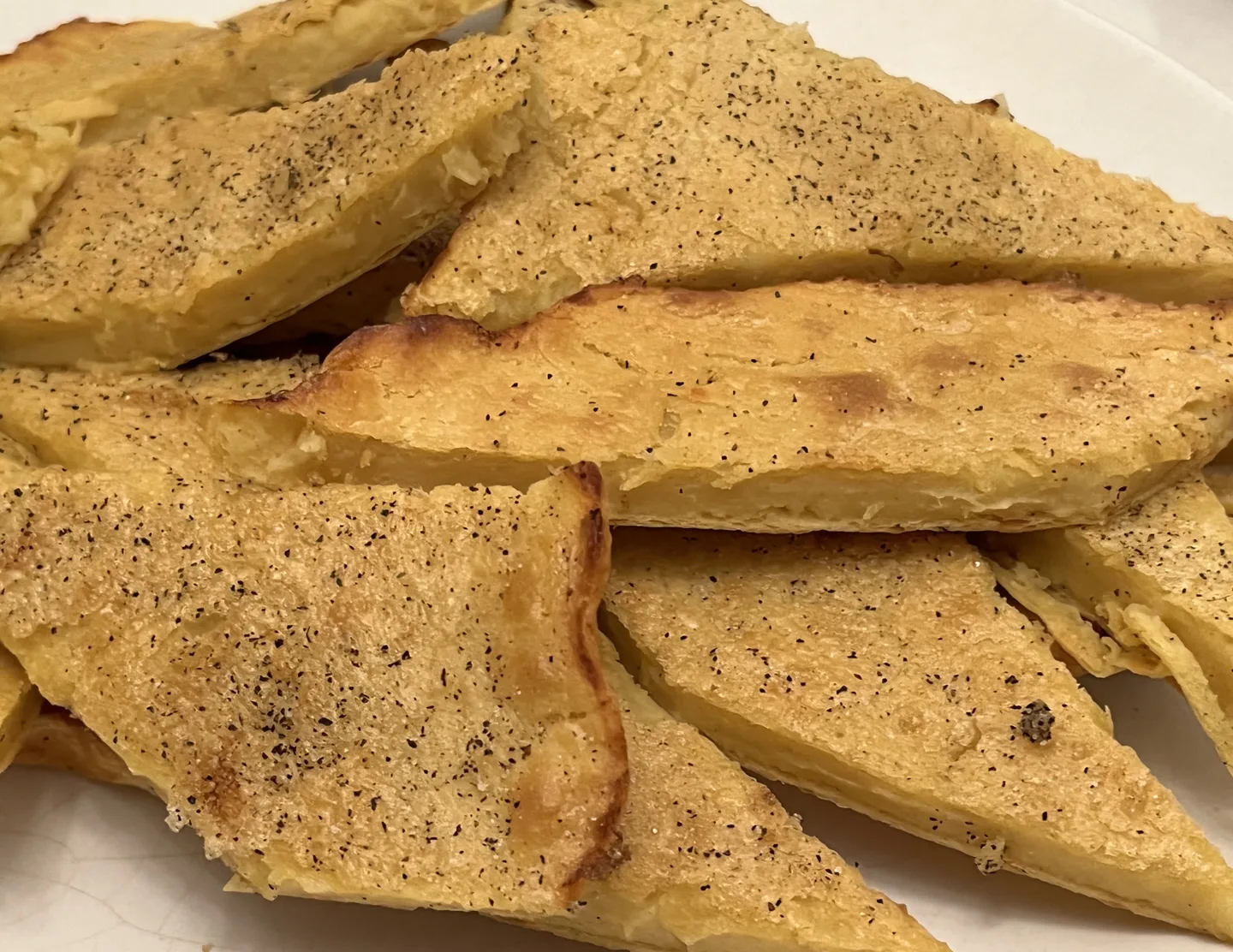
Carrot soup is nearly uniform from the first spoonful to the last. Serve something crisp beside it if that sounds monotonous. Toast thick slices of bread and cut them into batons. Put a handful of lightly toasted pumpkin seeds on the table or serve a plate of sliced radishes with salt and lemon. If you do add something crisp to the bowl, add it near the end. A crunchy topping that soaks in the soup while everyone sits down has less effect than a piece of toast eaten between spoonfuls.
For a fuller dinner, put a spoonful of warmed white beans into each bowl before adding the soup. A few cooked grains work the same way, but avoid pouring a large amount into the pot. The grains may take up liquid and leave the soup thicker than planned, especially if there are leftovers. A swirl of plain yogurt can be added in the bowl. Stir a little warm soup into the yogurt first if you want a smooth ribbon. You may find the soup bright enough without it once the lemon and salt are balanced.
Turn leftovers into a different lunch
Chill leftovers promptly in shallow containers. When reheating, start with a splash of water and stir as the soup warms. Taste again after it is hot. The sweetness may seem more pronounced when the soup has thickened in the refrigerator, which makes another drop of lemon more useful than another scoop of yogurt. If the bowl feels too familiar, change the side rather than the whole pot. A wedge of toasted bread with sharp cheese or a small chopped cucumber salad makes a different lunch from the same base. Reheat only what you plan to serve.
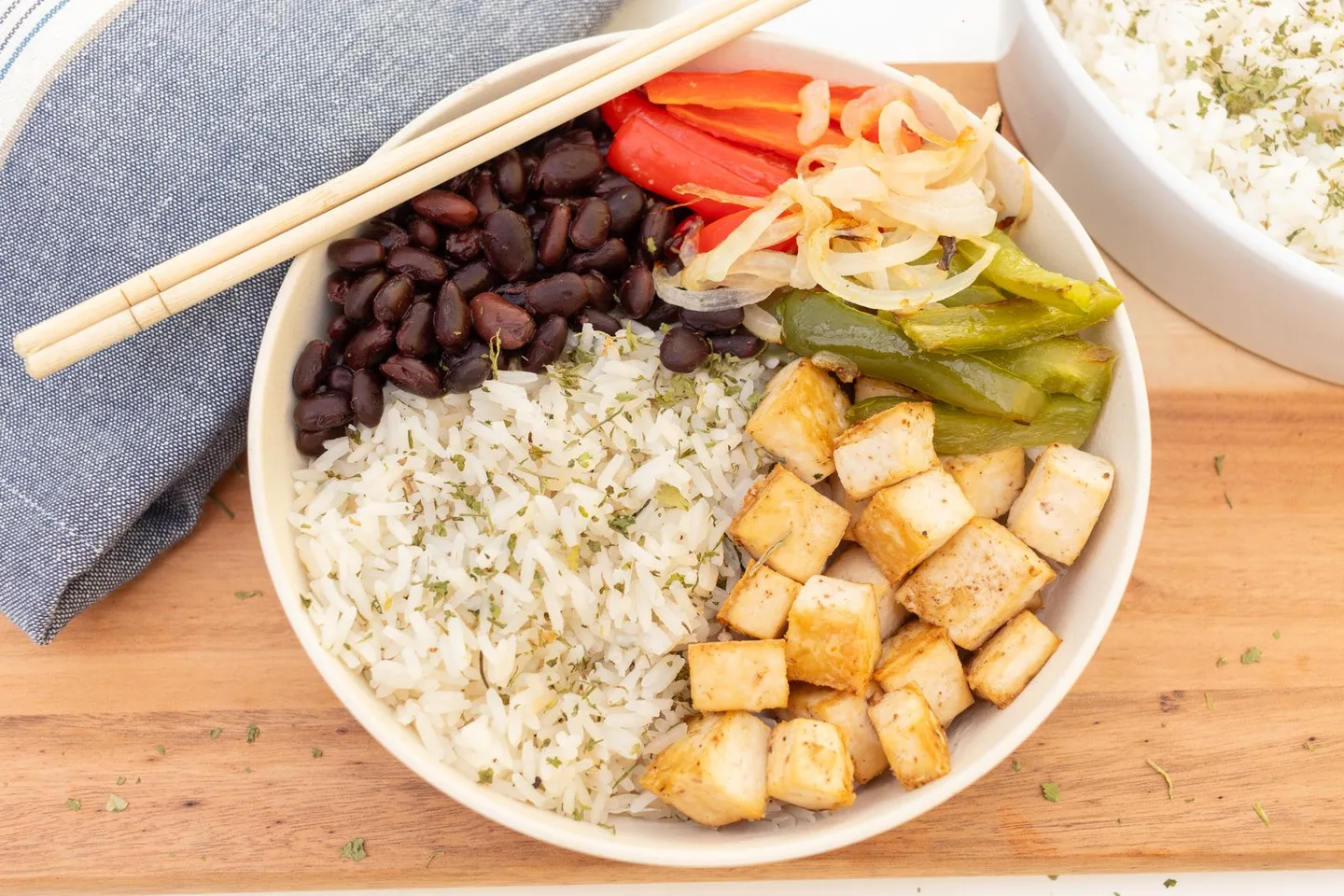
A few tablespoons left at the bottom of the pot can coat warm beans or moisten a bowl of rice. Add them near the end so the sauce stays bright. That last bit is a good test of the soup. It should hold its carrot flavor even when it has been reheated and put beside something with more texture. Keep a note of the liquid you used if you find a version you like. The next bag of carrots will probably taste different, but you will know what to compare it with before you start adding ingredients.
If you are freezing part of the batch, stop before adding yogurt and leave room in the container for expansion. Thaw it in the refrigerator and stir over gentle heat. A slightly separated portion usually comes back together with a brief pass of the immersion blender.
A wide, shallow bowl also lets you see how much of the soup you have garnished. To serve a mixed table, put the plain bowls down first and pass the yogurt or herbs. People can taste the carrot before adding anything, and a guest who wants a different finish has room to choose.