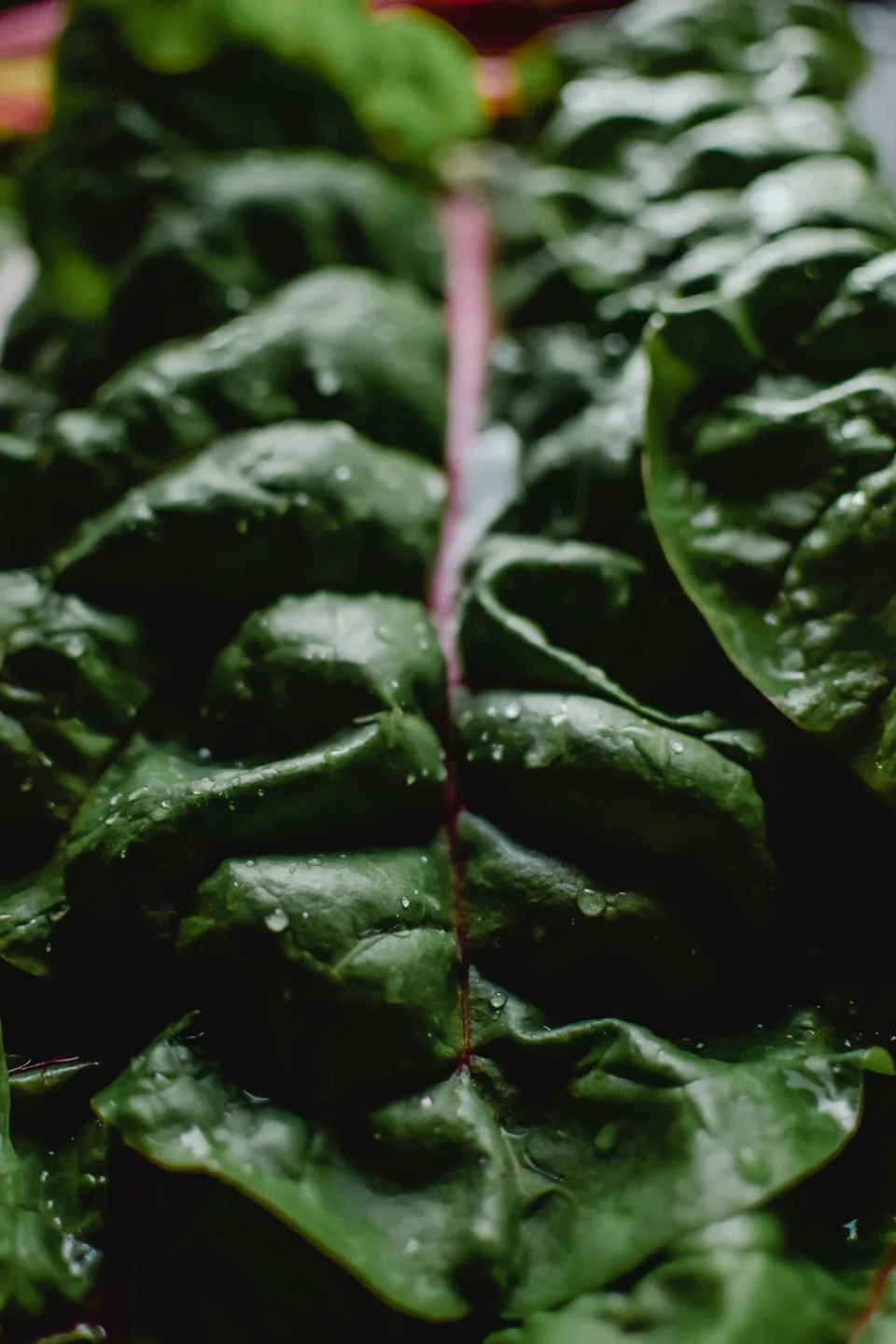
Start Dinner with a Pot of Lentils
A lentil that holds its shape and one that melts into the pot lead to completely different dinners. Shop and season with that difference in mind.
7 min read
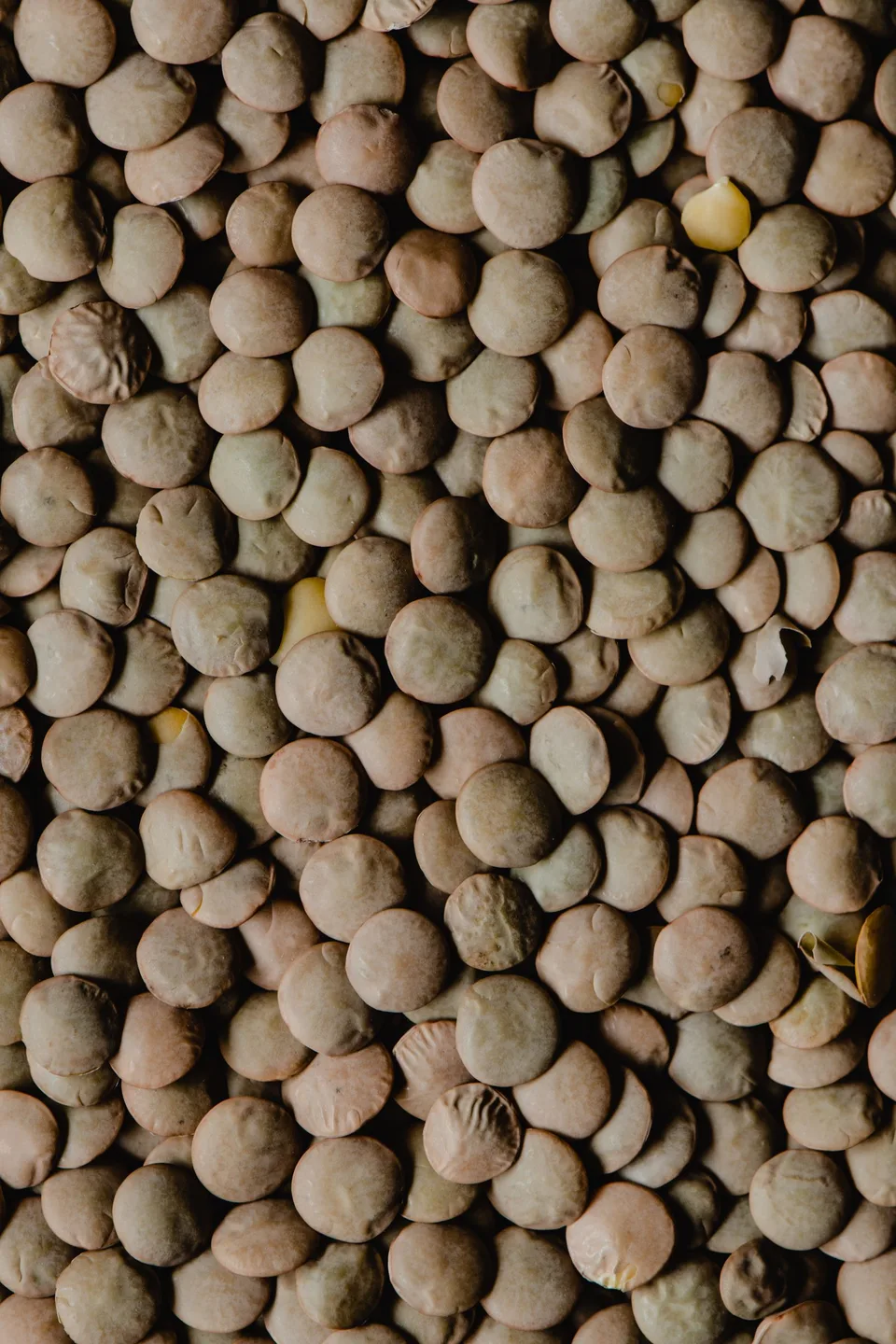
There are evenings when the main ingredient can be the quietest thing on the plate. Lentils work well in that role. A spoonful of small green lentils has enough definition to share a plate with roasted vegetables. A bowl of soft red lentils can carry the meal entirely, needing only a little bread and something fresh at the table. Which of those dinners you get has more to do with the kind of lentil you buy and how you cook it than with anything you sprinkle on at the end.
Check the lentil before you choose what to make. The brown and green lentils widely sold dried are useful when you want separate pieces after cooking. Small dark green or black lentils can be especially attractive in a salad because their edges stay visible when dressed. Split red lentils soften quickly and tend to break down into the cooking liquid. The color on the shelf gives you a good clue, and the preparation instructions tell you how the producer expects the lentil to be cooked. If you bought it from a bulk bin, write the variety on its container. A small difference in appearance is easy to forget once the store label is gone.
Cook a batch for texture before deciding on the seasoning
Pick through dried lentils on a white plate and remove any debris. Rinse in a fine sieve. Put them in a pot with water in the proportion called for on the package and cook thoroughly according to its directions. You can add half an onion or a whole bay leaf for a restrained base flavor, then take it out before using the lentils. When the time approaches, bite one that has cooled on a spoon. A firm little outline is welcome. A dry, chalky center is a reason to keep cooking. Different batches of the same variety can take different lengths of time.
For a dish with separate lentils, simmer rather than letting the pot roll hard. Vigorous movement wears at the softened skins and can leave you with plenty of broken lentils before the middles are tender. A wide pan lets more water escape. Keep a kettle of hot water or another splash of the cooking liquid available if the pot dries out. When the lentils are ready, drain as needed. Reserve a little liquid separately. It will be useful if a warmed portion feels dry later, and its light flavor lets you adjust the consistency without reaching for a different stock.
Canned lentils can answer the same dinner question with far less time. Drain them and taste one before deciding how much salt the dish will need. Rinse when you want to remove some of the canning liquid, particularly for a fresh salad. You can leave a few spoonfuls in a soup if they suit its flavor. An opened can gives you a reliable portion, so buy the amount you are likely to use. Transfer any excess to a clean container and refrigerate promptly. The choice between canned and dry often comes down to how much attention you can give a pan that day.
Put separate lentils on a plate with browned vegetables
Heat the oven and cut carrots into thick coins. Coat them lightly with oil and roast on a metal tray until the edges are well colored and the centers tender. Add the warm lentils to a wide bowl. Toss with a small amount of cider vinegar and a few spoonfuls of oil, tasting to find a balance. Add the carrots just before serving so the two parts stay distinct. Scatter over a handful of torn parsley or finely chopped celery leaves. The contrast is direct. Carrots taste concentrated and sweet, lentils taste earthy, and a little green comes through at the end.
Think of the arrangement as two parts brought together late. Try wedges of roasted squash instead of carrot and give the lentils a sharper dressing to offset their soft partner. For a dinner based on a green vegetable, take some broccoli out of the oven when its edges have browned but the stems still have a little bite. Lay a few pieces across the bowl and give the lentils a touch of mustard. A well chosen vegetable does more for the dish than a large list of things mixed through it. Give the biggest vegetable pieces room to look like themselves.
At the table, let people add a spoonful of yogurt or a piece of salty cheese if those suit the meal. A cold spoonful of yogurt changes the feel of the hot lentils immediately. A bit of grated cheese disappears into the lentils and makes the dressing taste more savory. Pick one when assembling a bowl for yourself and put it in a separate spot so you can try the lentils with and without it. If everyone has eaten and there are leftovers, refrigerate the cooked components promptly in shallow containers. Save a little undressed lentil when you can. It is easier to fit into tomorrow's dinner.
Let split lentils make the body of a soup
Chop an onion and soften it in a spoonful of oil in a saucepan. Add a little minced ginger and a teaspoon of ground cumin or coriander if you like either. Stir briefly until the spice smells fragrant. Add rinsed split red lentils and the liquid called for on the package. Simmer until the lentils are thoroughly cooked and mostly fallen apart. Thin the result with hot water or light stock when the spoon begins to leave a persistent track across the bottom. The texture should feel like soup once it lands in a bowl. It will thicken as it cools, especially if the lentils have broken down completely.
Taste the pot before adding lemon. A dull soup can take a couple of teaspoons of juice, while an onion and stock that already have a sharp character may need very little. Taste again after seasoning. A pinch of salt changes how much you notice the spice. For more texture, put a spoonful of cooked leafy greens into each bowl just before adding the soup. Their shape and color survive better when they have not spent the whole simmer in the pot. A little oil on the surface may carry a touch of the ground spices you used earlier, but the soup is enjoyable with no further decoration.
A split lentil stew has an advantage when the vegetables available are small odds and ends. Add a finely diced carrot or a little chopped celery with the onion and give it time to soften. Avoid making the mixture so crowded with vegetables that the red lentils have no liquid to cook in. If you need more food at the table, cook the starch separately. A small pile of cooked rice under the soup will catch it, and a thick slice of bread beside the bowl can be dipped to taste. Those additions make the meal larger without changing the behavior of the pot.
On a night when the soup has to travel from the stove to several plates, keep the finishes on a small tray. Lemon wedges give a bright finish to a bowl with greens, while chopped cilantro or parsley makes the aroma more noticeable over the pot's ground spices. A dish of plain cooked rice allows each person to decide whether the soup will be thin and spoonable or closer to a stew. The tray also keeps a large pot of leftovers comparatively plain, so a portion still fits with a different garnish at tomorrow's lunch.
Save the leftovers with a second dish in mind
Keep the cooked lentils plain when you want them to do different work later. A few spoonfuls can turn warm vegetables into a filling toast. Heat them thoroughly with a little reserved liquid and mash only enough to keep them from rolling off the bread. On the side, add chopped cucumber or some peppery leaves for a cool edge. Use chilled cooked lentils for a cold salad if they have been stored safely, dressing a modest portion with lemon and parsley immediately before eating. A small amount of brown lentil can make a large salad more interesting without turning every bite into the same dense mixture.
A leftover soup may become unusually thick when cold. Heat the portion you need thoroughly and add hot water little by little. Taste once it is warm and before putting in any extra salt. A thicker spoonful can become a sauce for hot cooked greens if it flows freely enough to coat them. If there are several portions left and you are unlikely to eat them soon, freeze promptly in labeled containers instead of relying on memory. A flat shallow portion is easier to reheat than a large, tightly packed tub.
As you get to know one or two kinds, shopping becomes simpler. Buy brown or green lentils for dinners where you want to see the individual pieces. Keep the red split kind for evenings when a thick soup or stew sounds good. Add roasted vegetables and something acidic to a plate that needs contrast, and keep the soft bowl modestly seasoned until you know what the rest of the meal will be. There is room to decide at the table because the lentils have already done the structural work of dinner.