Make Room for Leafy Greens at Dinner
Choose a green by how you want it to feel on the plate, and decide when to prepare it so the rest of dinner does not have to wait.
8 min read
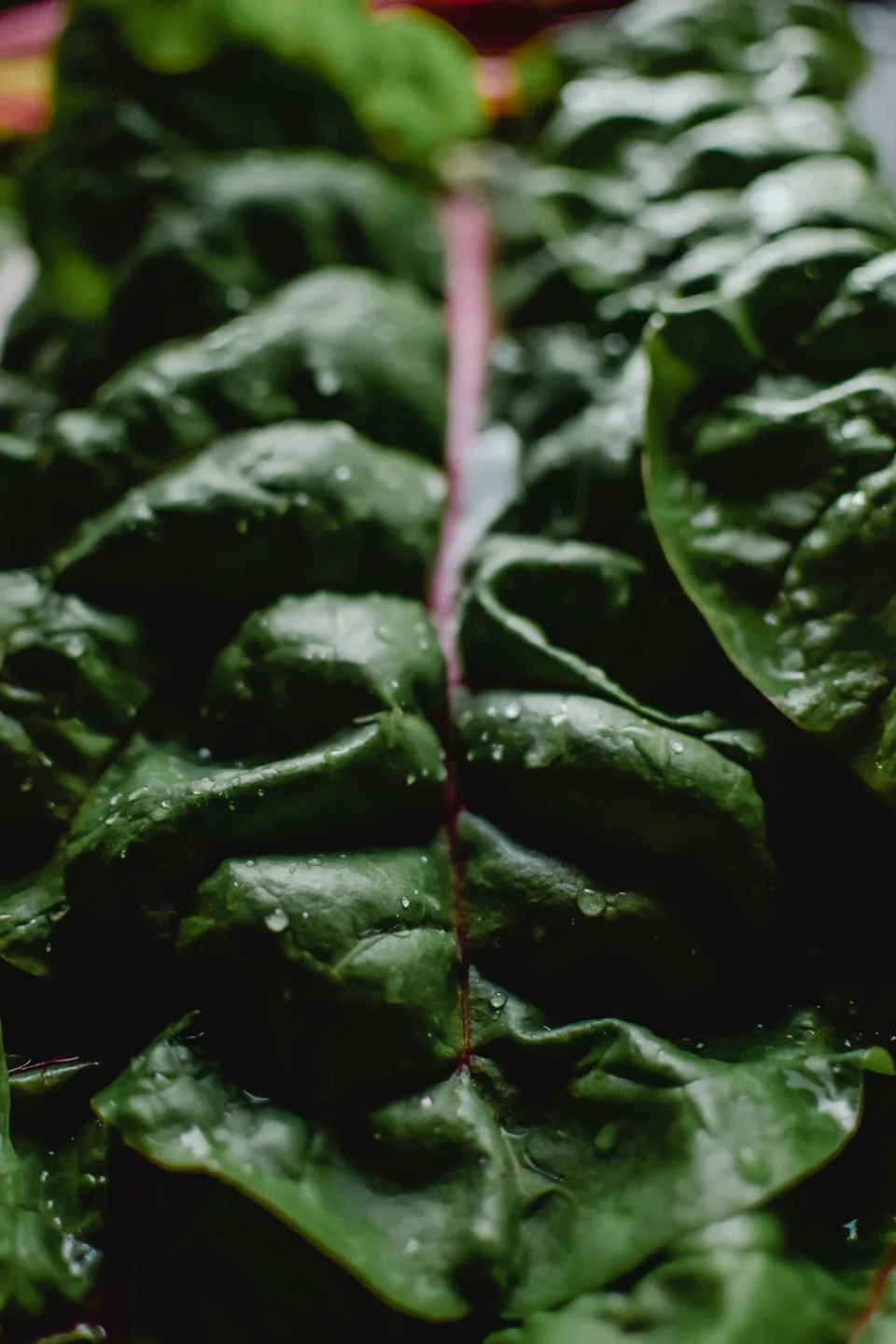
A head of lettuce and a bunch of chard take up almost the same amount of space in a shopping bag. The space they take up at dinner could hardly be more different. Lettuce can fill a cold bowl and leave room for little else. Chard collapses as it heats, so a generous bunch can become a small warm pile on the side of a plate. Spinach can do either job, depending on the size and texture of its leaves. A useful plan begins by deciding whether you want something cool to bite through or something tender to pick up with the rest of dinner.
Look at how much room is left in the refrigerator before buying a big bundle. Leaves should stay cool, and they are more likely to get used when they are visible. A loose head of lettuce gives you the option to pull off only the portion you need. A little bag of spinach can be more convenient if you will use it quickly. Choose packaged leaves from a refrigerated display, check the date and condition, and avoid packages with a great deal of trapped water or crushed leaves. A bunch of chard with firm stems and crisp leaves is easier to sort than one with slimy edges. Look into the middle of the bunch as well as at the outside.
Let the leaves tell you how to prepare them
Use a clean board, knife, and bowl. Wash unwashed leaves under running water and give leafy heads room for water to reach between the layers. A leaf that has gathered grit near a stem may need to be separated from the bunch. Follow the package directions for greens sold as ready to eat. The FDA says produce labeled pre-washed or ready to eat can be used without washing it again. Keep it away from surfaces and utensils used for raw meat. The clean bowl that is already on the table can be the easiest way to keep prepared leaves apart from the rest of dinner's work.
A salad spinner helps with a loose head of lettuce or a bag of substantial leaves. Spin a manageable handful rather than pressing several heads into the basket. Give the leaves a gentle pat with a clean towel if droplets are still visible. Surface water dilutes seasoning and makes it harder for oil to cling. A few bruised leaves can turn limp in a day. Dry the portion for tonight and store unused greens as directed by their label or in a clean container in the refrigerator. Keep any dressing apart until serving. Cut or chopped leaves are easier to fit in a bowl, but the edges dry or soften more readily once exposed.
Run a hand over a stem before you decide to discard it. A tender spinach stem can go into the salad. Thick chard stems need more time in the pan and give a texture worth using. Cut them away from the green part, divide the stems into short pieces, and start them several minutes before the leaves. Strip kale leaves away from the especially tough central ribs if you want their texture to be even. Chop broad leaves so they are easy to lift with a fork. A long slippery strip of cooked green is awkward on a crowded plate. Pieces a little larger than a bite will shrink enough to fit.
Start with a cold side that can stand on its own
For a simple salad, separate some of the inner leaves of a head of lettuce and leave the smallest ones whole. Tear the larger ones. Fill a bowl loosely and taste a leaf. Put a teaspoon of vinegar into a cup and whisk in a pinch of salt and a couple of teaspoons of oil. Dip the end of a leaf and taste before adding it all to the bowl. A delicately flavored leaf needs much less dressing than a head whose ribs are crisp and pronounced. Toss with clean hands or two wide spoons and serve as soon as the leaves have a faint shine. The bottom of the bowl should be nearly dry.
Sometimes the salad needs a second texture to feel distinct from the rest of dinner. A few pieces of cucumber, cut crosswise and then into sticks, give a wide bowl a clean snap. Small radishes can be quartered for a thicker bite or cut into rounds for a subtler edge. If dinner already has a crisp crust or lots of raw vegetables, the leaves can be enough on their own. A simple salad next to a pan of cooked grains does something different from a large mixture that wants to be the main dish. Serve it in a separate bowl when the hot food will make it wilt.
A few handfuls of baby spinach can take a stronger dressing than most tender lettuce. Try it with warm roasted squash and a little cider vinegar. Let the squash stop steaming before you put it on the leaves. A small amount of warmth is pleasant and leaves the spinach with some shape. Very hot squash quickly collapses the leaves and collects their water in the bottom. Put a few cubes on one portion before you assemble the rest. If the two feel right at that temperature, finish the salad. A few toasted seeds or chopped nuts can help if the squash is exceptionally soft and you want a crisp interruption.
Cook a second green as a small warm side
Heat a wide skillet over medium heat and add a film of oil. If using chard, put the chopped stems in first with a pinch of salt. Stir and wait until the pieces bend a little at the edges. Add the leaves by the handful. When the first handful settles, add the next, turning with tongs or a broad spatula. A tall stack makes it hard to see how much liquid has gathered in the skillet. Keep the leaves moving enough to cook evenly. If the pan goes dry before the stems are tender, add a spoonful of water and cover briefly. If there is a puddle when everything feels ready, uncover and give the water time to evaporate.
Thin spinach leaves can cook quickly in the same pan. Give them space and remove them once they have wilted and feel tender. A thick layer of spinach keeps releasing water after it comes off the heat. Let some of it drain in a sieve if it is headed for toast or a baked dish. For a plate of beans or potatoes, a little liquid can stay and become part of the dressing. Finish with a small squeeze of lemon after taking the pan off the heat. The warm leaves will smell more of lemon when it has not boiled away.
For kale, start with a little oil, add the torn leaves, and turn them over briefly. Add a spoonful of water and cover. The short steam gives the heavier pieces time to soften. Check a leaf, then cook uncovered if needed so extra liquid can leave. A warm plate of kale with white beans needs only a bit of pepper and some grated lemon peel if the beans are already seasoned. For a meal with a sweet vegetable such as roasted carrots, a modest splash of vinegar can give the greens a welcome sharpness. Taste the kale alone and then with the carrots before you add more. The two components should still be distinguishable.
Arrange the work around the rest of the meal
The best time to wash salad is while the oven heats or while water comes to a boil. Put the dry leaves in a clean bowl and refrigerate if the rest of dinner needs time. Make the dressing ahead so that when the main dish is done, you only have to pour and toss. For cooked greens, prepare the stems and leaves first and set them in separate bowls. Once something else comes off a burner, the stems can go into the skillet without a pause for chopping. Keep the greens away from any place you used for raw fish or meat. A second bowl or board is worth the space when dinner is busy.
If the greens are only part of a dish, take them seriously enough to let them keep their shape. Put spinach on a piece of toast after the toast has stopped steaming. Add cooked chard to a soup at the end if you want pieces you can see. Serve kale alongside warm grains and stir some in as you eat. A plate can change quite a lot with these small choices. The same handful of greens could supply the cold bite after a spoonful of soup, the soft layer under a piece of roasted vegetable, or the flavorful part of a forkful of potatoes. Buy for the job you can picture and give the leaves enough time and room to do it.
Think about the next evening before washing all the leaves from a large bundle. Set aside the firmest outer leaves for a skillet, then pull the small interior leaves for tonight's salad. A bunch of chard left from dinner can be cooked the next day and added to a bowl of eggs or beans if its condition and storage allow. Keep the leftovers and fresh greens in clearly different containers so you can tell which will need reheating. The aim is to open the refrigerator and see one job you can do, instead of a bag you have to empty.