A Breakfast of Oats with Something to Chew
Choose the oats for the time you have, then give their soft grain a companion with enough texture and flavor to last through the bowl.
8 min read
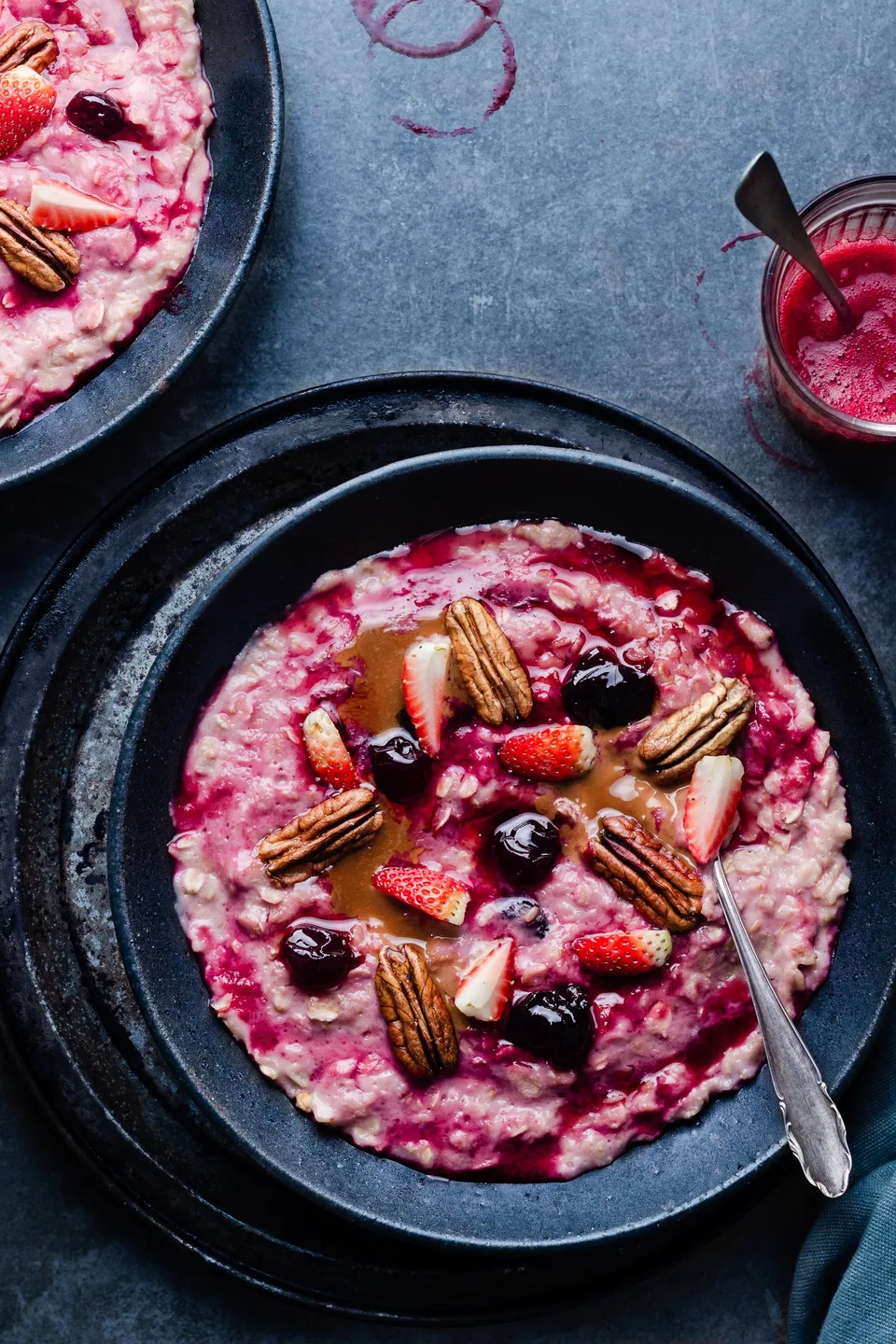
A bowl of oats is most enjoyable somewhere between the first warm spoonful and the last one. The top has enough fruit or seeds to make the opening bites interesting. At the bottom there can be a little bland porridge left behind, considerably thicker than it was when it first went in. The fix starts at the pot. Cook the grain a little looser than you think you want it, make sure it tastes of something before it reaches the bowl, and tuck some of the additions through the oats rather than placing every piece in one layer. A good breakfast has something worth reaching for all the way down.
The time available in the morning should inform which oats you buy. A small flake that cooks quickly is useful on a hurried weekday. Rolled oats with a larger visible flake give more shape to the cooked bowl. Steel-cut oats stay in small pieces and usually need longer cooking. The exact timing depends on what has already been done to the grain and the instructions on the package. Read the bag before you schedule breakfast. It is far easier to choose a grain that fits your mornings than to spend a week waiting for a pot you can never start early enough.
Keep water in reserve for the very last stir
Follow the package for the initial quantity of liquid, then use the first pot to learn your preferred consistency. Water gives the mild grain flavor room to stand out. A little milk or an unsweetened beverage that is appropriate for your diet can give it more body. Look at the ingredients and nutrition label if you are comparing alternatives. Plant-based beverages vary in flavor, protein, and sweetness, and a flavored product will carry its own taste into the cooked grain. A small pinch of salt stirred into the cooking liquid gives unsweetened oats a clearer flavor. It is especially welcome if you will be adding fruit rather than syrup.
As the oats cook, move the spoon slowly across the bottom. In a small pan, notice how long the path stays clear after the spoon has passed. If the path stays open, the porridge is already fairly thick and will tighten further as it waits. Taste a little off the end of the spoon once it has cooled. The grains should feel cooked. In a bowl of rolled oats, part of a flake can still have shape without a dry center. If the grain is tender and the consistency looks tight, add a couple of tablespoons of hot water or milk before you serve. You can always add another spoonful in the bowl.
For a very small batch, use a saucepan that suits the amount. A thin layer of oats in a large pan loses liquid quickly and gives you little margin between tender and dry. A deep container is useful in the microwave, where the mixture can rise substantially. Follow the product directions for time, power, and standing. Stop and stir if the directions allow it. Let the mixture stand before deciding that the surface is too wet. A small uncooked patch hiding in a shallow-looking bowl can change the experience of the whole breakfast. The extra minute after heating is often when the liquid settles in.
Use toppings at two depths
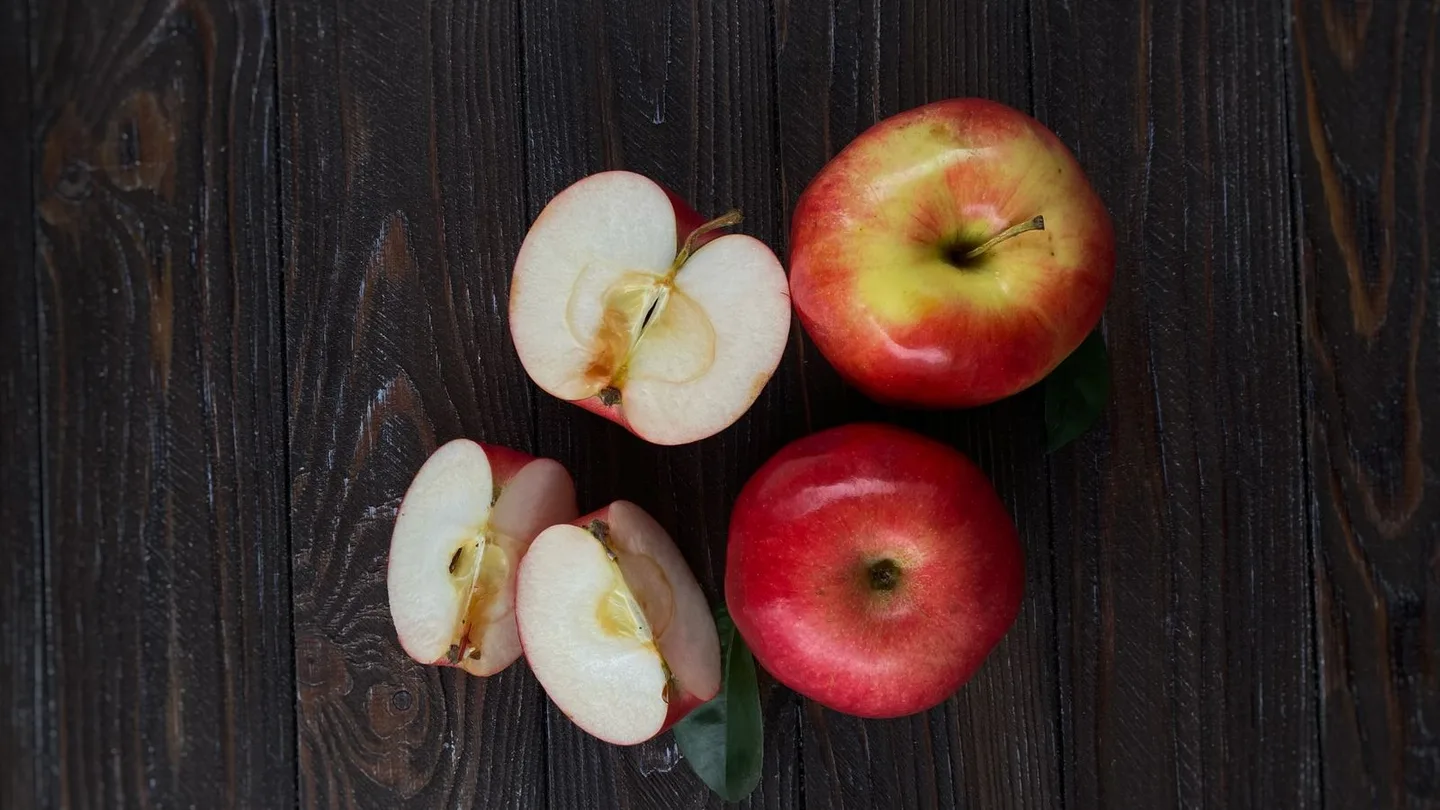
Take a ripe apple or a firm pear, cut it into small pieces, and put some in the bottom of a bowl. Spoon in the oats. Scatter the rest of the fruit across the top and add toasted nuts or seeds if suitable. A piece at the bottom gives a cool, crisp interruption to warm grain. If you want the fruit soft, warm small pieces in the saucepan with a spoonful of water while the oats are finishing in another pot. Stir half through the oats and leave half visible. Cooking all of the fruit alongside the grain can make the breakfast taste uniformly sweet, especially if the pieces break down.
A little plain yogurt gives you a different texture. Put a spoonful against the side of the bowl and draw a little through the oats as you eat. This is particularly useful when adding something sweet such as dried apricots. The warm oats can soften finely cut dried fruit if you stir it in near the end. Large pieces stay chewy and may collect in one corner. Cut them into sizes that will fit naturally on a spoon with the grain. If your yogurt is very thick, add it at the table so each bite takes up only as much as it needs.
A sprinkling of seeds is worthwhile only when you can feel it. Toast pumpkin seeds lightly in a dry skillet and pour them onto a plate as soon as they smell fragrant. Cool them before putting any extra in a clean dry jar. A teaspoon over the top of one serving may be plenty. Save the seeds for the moment you eat if you pack breakfast to take along. A few hours against wet oats soften their edges. A person who likes chewy rather than crisp toppings can use chopped dried fruit or a spoonful of thick nut or seed butter instead.
Try a warm bowl that does not lean on sweetness
For a savory breakfast, cook the oats in water with a pinch of salt or use a light unsalted broth. Add a handful of chopped cooked greens once the grains are tender and heat them through. Finish the bowl with sliced scallions, a bit of grated cheese, and a few drops of oil. Stir just enough to bring some greens into the middle. A small serving of cooked beans or a fully cooked egg can give the bowl more substance when that suits your breakfast. Make the first savory serving small and use flavors you already like together. Oats have a quiet taste and are very willing to carry something sharp.
Mushrooms browned in a pan are an especially good match. Slice one or two and give them time to color before serving. Save any liquid from the pan and taste it before stirring it into the grain. If it tastes pleasantly savory, a spoonful gives the whole bowl a lift. If it is strongly salted, use a few drops on the mushrooms and leave the oats plain. Add chopped parsley or chives once the bowl is ready. A large dose of herbs cooked into the oats can overwhelm the grain's mildness and compete with the browned mushrooms.
For someone drawn to breakfast toast with butter and pepper, a little savory porridge can make an easy bridge. Toast a small slice of bread, break it roughly into a few pieces, and serve beside the bowl. Eat the first few spoonfuls before dipping one of the pieces. This is a different contrast from having all the bread on top and letting the steam soften it at once. A dish this simple benefits from every person deciding how much crunch to keep.
The bowl matters more than it seems. On a cold morning, rinse a heatproof bowl with a little hot water and dry it before adding the oats. A warm bowl can make a small portion comfortable for longer. For a breakfast that is already rather hot, use a broad bowl and eat from the edges first. The wide surface lets steam escape and leaves a generous area for a few pieces of fruit. A narrow cup can be convenient for carrying breakfast, but it keeps all the toppings in one small circle. Stir one or two pieces through before putting on the lid.
Make leftovers answer the next morning's schedule
If you are cooking steel-cut oats, make enough for another serving when you have a quiet morning. Portion and refrigerate the cooked extra promptly. Heat the next serving thoroughly and loosen with a small splash of liquid before topping it. The cooled grain can become solid and needs stirring once some of the exterior is warm. A deep storage jar makes it hard to heat evenly or to get the oats out at the table. A shallow lidded container is easier to use. Put a date on the outside if several similar containers are already in the refrigerator.
Rolled oats can also be soaked in a covered container in the refrigerator, using a recipe and oats suitable for that preparation. If the package requires cooking, follow those directions. Bring the topping in a separate box and give the cold oats a stir before eating. Cold oats taste milder than warm ones. Fruit with clear acidity or a touch of lemon zest can be more noticeable here than an extra dash of a mild sweetener. Pack the bowl with reliable cold storage if it will spend time away from a refrigerator.
A routine breakfast gets easier when the finishing decisions take less time than the cooking. Keep an easy fruit visible, put a small jar of a favorite dry topping next to the oats, and use a familiar bowl so you can judge how much the finished grain will spread. Some days there will be time to brown a mushroom or warm an apple. On a busier morning, open a packet of the oats that cook in the time you have and add a few pieces of fruit after the last stir. The difference between those two bowls can be large enough to keep both appealing even if you eat them often.