How to Buy Mushrooms for Their Texture
Buttons, oysters, and shiitakes bring different shapes and textures to a meal. Choosing by texture makes them much easier to cook well.
8 min read
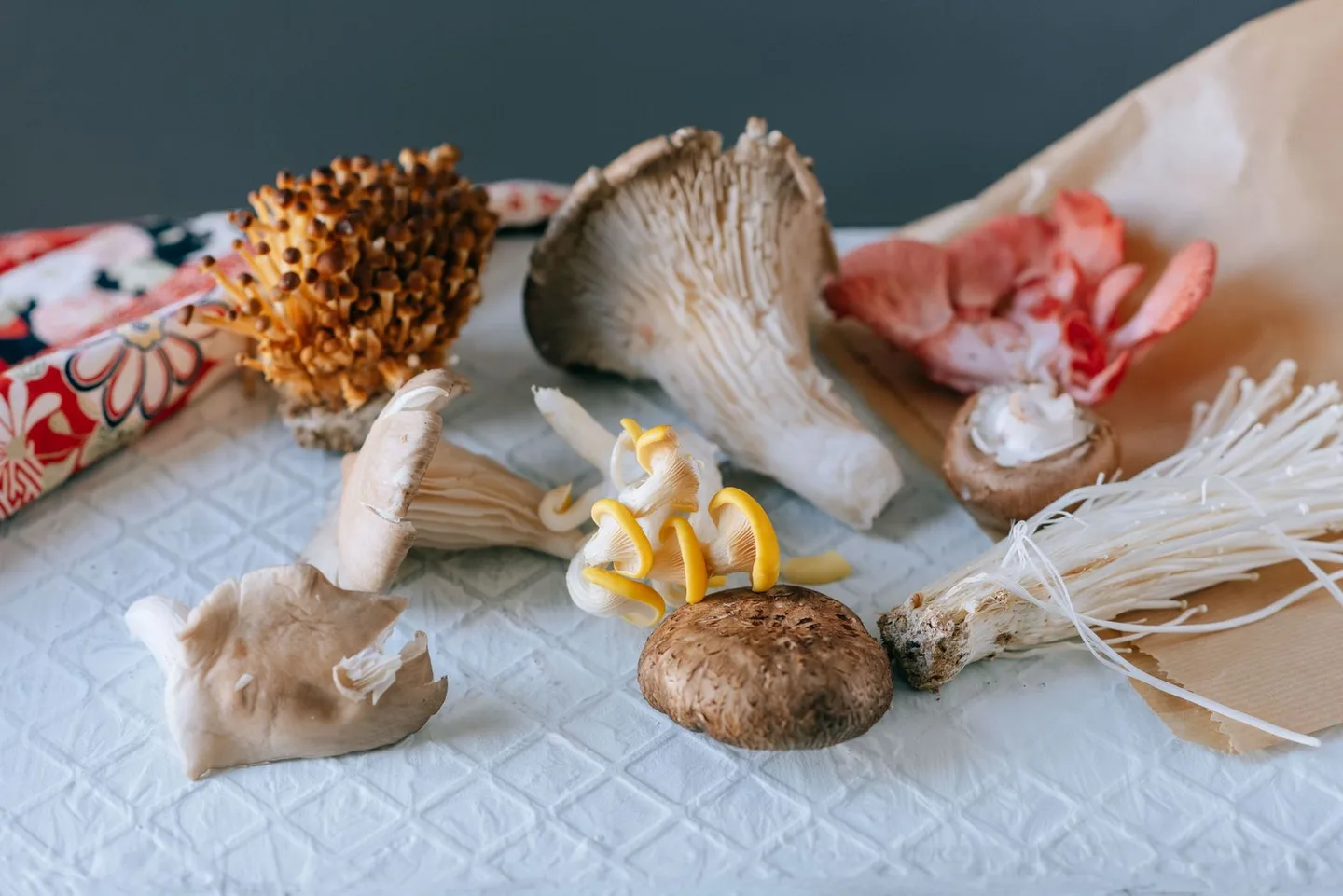
At a mushroom display, the flat trays of everyday buttons can seem plain beside oyster mushrooms with long, almost pleated caps. They solve different problems in the kitchen. A button cut in thick wedges will give you a little bite and a round, juicy center. A thin edge of an oyster mushroom can brown like a rough fold in a sheet of dough. A shiitake, sliced across its cap, stays pleasantly chewy in soup. Think about the sensation you want in the finished food before deciding which type has the most interesting label. Two boxes of expensive mushrooms are rarely more useful than one box bought for a particular job.
Choose mushrooms that feel firm for their size. The edges of a delicate cap may dry slightly in storage, and a broken cap still tastes good if it is fresh. Spongy wet patches, slime, or a strong unpleasant smell are reasons to leave a package behind. If the mushrooms come in plastic, look at the underside as well as the visible top. A little moisture inside the container can be normal. Water pooling under the caps makes it harder to judge their condition. For these suggestions, use cultivated mushrooms from a trusted seller. Wild mushroom identification requires specialist knowledge and is outside the task of grocery shopping.
Buttons that can stand up to a pan
A button mushroom cut into a thick piece has enough structure to brown on one side while the middle remains juicy. Small mushrooms can simply be halved. Larger ones work better in quarters, especially if you mean to eat them with a fork. Brush away any loose dirt, or rinse briefly under running water and pat dry just before cooking. Avoid leaving damp mushrooms stacked on a board. Spread them on a clean towel while you heat the pan. Damp surfaces need time to dry before they can color. A hot pan does some of that work, but it is easier if you start with the mushroom itself reasonably dry.
Heat a wide skillet over medium to medium-high heat and add a thin layer of neutral oil. Lay the cut faces against the pan and leave enough space to reach each piece with a spatula. If they crowd, cook in two batches. Move a piece once the first side begins to brown. The side you cannot see is the one doing most of the work. Stirring everything constantly is reassuring but slows the browning. Once the undersides are golden, turn the pieces. Add a dab of butter and a little salt after the pan has done its hottest work. The mushrooms will become glossy, and a pinch of minced thyme or sliced scallion greens will stick to the surface.
For a warm side dish, spoon the mushrooms over plain cooked barley or a mound of soft white beans. Use the same skillet to loosen any browned deposits with a few spoonfuls of stock, stirring up what you can. If the deposits are black or bitter, use a clean pan for the liquid. Stir the resulting spoonful of pan sauce into the barley before adding the mushrooms. Each component gets something useful. The grain catches the sauce, and the mushrooms keep their browned outside. If the meal already includes a very rich dish, add a few drops of cider vinegar to the grain instead of more butter to the pan.
Oysters that give you folds and thin edges
A cluster of oyster mushrooms can be divided without a neat series of straight cuts. Trim the coarse common base, then pull the caps apart. Tear broad pieces lengthwise. The natural divisions give you irregular edges and different thicknesses. A piece that is almost all stem will take longer to soften than a delicate ruffle of cap. Put those thick pieces together on the board and cook them slightly ahead of the others. Plan for the cooked mushrooms to occupy less room than they did raw, but give them a wide pan or an unlined metal baking tray at the start.
For roasting, toss a handful of torn pieces with enough oil to give the surfaces a faint shine. Spread them on the tray and put them in an oven at 425°F or 220°C. Check after about ten minutes. Turn the thicker pieces and pick out any tiny tips that are already deeply colored. Leave space between the mushrooms as they finish. If one batch came from a particularly moist cluster, it can take longer to color. Watch the thinner ends and use a fork to check a stem. It should still be distinctly chewy, with no tough stretch that pulls the whole piece out of your mouth.
A sandwich is a good place to notice the difference between oyster mushrooms and buttons. Put roasted oyster pieces on bread spread with mustard, then add a dry lettuce leaf for another kind of crispness. Let the mushrooms rest briefly so steam does not immediately dampen the toast. A few thin slices of pickle complement browned mushrooms, though a whole layer of pickles can overpower their flavor. For a plate with rice, put the mushrooms over a little sauce so only one side gets wet. This preserves the edges. A mushroom roasted for its crispness disappears into a stew more quickly than it does into a sandwich.
Shiitakes to eat slowly in soup
Shiitake stems can remain tough even after the caps soften. Remove them from the caps before cooking. If the stems are clean and sound, use them in a broth for flavor and remove them before serving. Slice the caps across into broad strips. Thinner strips become soft quickly and travel easily on a spoon. Thick strips ask to be eaten with more attention. Put some of each in the same soup to give the bowl an uneven bite. When the broth is fairly light, brown some of the caps first to give the liquid a warmer color and a deeper flavor.
One easy bowl begins with broth heated with a few thin coins of ginger. Add sliced shiitakes and simmer until the pieces are cooked and tender. Stir in chopped greens near the end according to how long they need to soften, then adjust the seasoning. A broth that is already salted may need only a little rice vinegar. If you are using water instead of stock, first simmer the reserved stems with a piece of onion and remove them before the caps go in. Add cooked noodles to the bowls and pour the soup over them. The noodles remain easier to divide, and you can see which bowls have had their share of mushrooms.
Dried shiitakes have a stronger flavor and a different texture from fresh ones. Rehydrate and cook them according to the directions on their package. If the directions say the soaking liquid can be used, strain it so any grit remains behind. Taste a little before replacing a large proportion of the soup broth. Too much makes a modest vegetable soup taste only of shiitake. Use a smaller amount in a dish with delicate greens and more in a bowl with sturdy vegetables or a broth strong enough to absorb that concentrated flavor. Slice the softened caps finely if you want their chew spread through every spoonful.
Thickness can matter as much as variety for a skewer or a tray that has to cook all at once. Cut thicker mushrooms into comparable pieces and leave small caps whole only if they look sturdy enough to turn. After preparing one tray, set a few aside and try a second seasoning. A plain cooked sample gives you a better sense of which shape you will seek out next time.
Buy for the exact cooking job
A mixed box can be delightful, but there is a practical cost when everything in it needs a different amount of heat. Group the mushrooms before cooking. Pieces that have comparable thickness can go in together even when they have different names. A spoonful of cooked mushrooms often tastes more varied if you leave the pieces in visibly different shapes and allow their surfaces to develop individually. A ragged oyster edge has a reason to be there alongside the tidy half of a button. If you dice them all finely and put them straight into a small pan, most of what made the assortment interesting gets lost.
Once home, refrigerate fresh mushrooms and use them promptly. Keep them dry until you prepare them and follow any storage instructions on the package. If you will cook mushrooms two days in a row, choose a smaller amount or cook what you need from each package before the caps deteriorate. Refrigerate cooked leftovers promptly. A dish of reheated mushrooms can still be excellent folded into noodles or a cooked grain, where tenderness is welcome. Plan to use the crispest freshly cooked ones for the sandwich or the plate that was built around their edges.
The useful question at the display is easy to remember. Does the meal need a thick juicy piece, a thin browned edge, or a chewy strip? If you cannot picture the bite, choose a familiar button and cut it slightly larger than you usually do. Brown one side with care, taste it, and build the dish around what it does well. On another evening, use an oyster mushroom in a similar amount and notice how different the same meal becomes when the pan gives you a completely different edge.