A Cabbage for Every Cut
The same head of cabbage can become crisp slaw, a tender skillet dinner, and a tray of deeply browned wedges.
8 min read
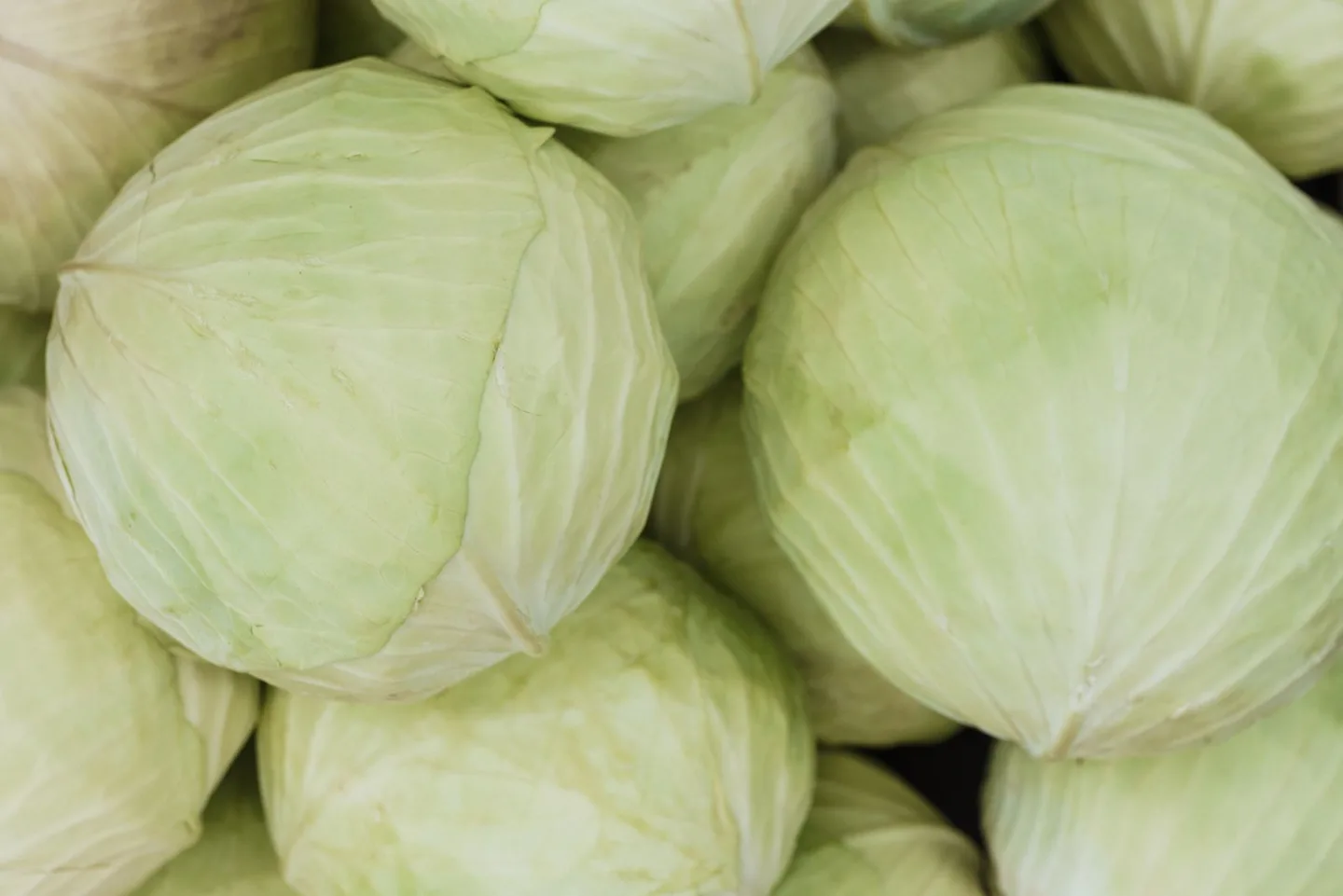
A whole green cabbage can look like too much vegetable for the meal you have in mind. In the time it takes to put a head on the board, though, you can divide it among three entirely different dinners. The inside leaves are dense and pale. The big outer leaves have noticeable ribs and sometimes a slightly stronger flavor. The core pins everything together. Keep some of it attached if you want slices to hold in the oven. Remove all of it if you want fine ribbons that separate in a mixing bowl.
Buy a head that feels heavy for its size, with tightly wrapped leaves and a clean base. A tear in the outer leaf is common and usually disappears when you peel it away. Avoid heads that feel slimy, have extensive damaged areas, or have softened around the base. Firm red cabbage also works for the ideas below, though its color will show up on your board and mingle with other ingredients in a dish. Choose green if you want a creamy slaw or pale butter sauce to keep its color. Reserve a delicate Napa cabbage for softer folds and quick cooking. The tightly packed round types are easier to divide for all three cuts.
Shred enough for a slaw that stays crisp
Pull off any damaged outer leaves. Rinse the remaining cabbage under running water, dry it, and halve it through the core. Put one half cut side down so it sits securely. Cut another wedge and remove the triangular bit of hard core. Turn the wedge so one broad flat side lies against the board. Slice slowly and finely across it. If the shreds are longer than you want to eat in a sandwich, gather a small pile and cut it across once or twice. Shorter ribbons land on the plate more easily and make better company for a fork.
The amount you need depends on the rest of the meal. A small head can give you enough slaw for several people in a single quarter. To check, loosely fill the bowls or plates you intend to serve rather than pressing cabbage into a measuring cup. Fine cabbage seems voluminous on the board and shrinks once seasoned. If the first handful bends rather than snaps, give it a slightly thicker cut and use it the same day. A cold, fresh head offers plenty of crispness even in very fine slices.
For immediate service, make a dressing of two tablespoons of cider vinegar, a teaspoon of mustard, a little honey if you like, and three tablespoons of oil. Whisk it in a large bowl, add four cups of loose shreds, and toss with a few pinches of salt. The exact size of the cabbage matters less than tasting one forkful. A dressing that sounds tart on the spoon may be pleasantly sharp once spread across all those ribbons. Add chopped parsley or a handful of thinly sliced radishes. Toss a final time and give the salad five minutes to settle. It belongs beside crisp potatoes, folded into a sandwich, or piled on a plate of baked beans.
For a bowl that will sit through a long meal, pre-salt the cabbage lightly and let it drain for about twenty minutes before you dress it. Salt draws some water out of cut surfaces. The shreds settle while they wait, and the dressing has less free water to contend with at the table. Squeeze a handful gently and shake it open over the bowl. Taste before adding more salt. A slaw made with mayonnaise or yogurt still needs to stay cold, regardless of how much vinegar is in the bowl. Keep it refrigerated until it is time to eat. Pack shredded cabbage and dressing separately when you want the rawest crunch at a picnic.
A thicker ribbon belongs in the skillet
Slice a different quarter into ribbons a little narrower than a finger. Leave them ragged enough to capture butter and seasoning. An onion sliced in half moons makes a good partner, but use only a small one. An abundance of onion brings so much moisture that the cabbage will steam long before its edges have a chance to color. Heat a wide skillet over medium heat with enough oil to film the base. Add the onion and let it soften for a few minutes. Slip in the cabbage by the handful, season lightly, and give each addition a brief turn before adding the next. Leave a small patch of skillet exposed so you can see how dry the pan is getting.
Once the first ribbons bend, let some cabbage touch the base without moving it for a minute or two. Move a slice with your spatula and look underneath. A few brown edges lend a nutty flavor. The goal is a mixture of pale tender folds and darker tips, since a uniformly browned skillet often means the pale leaves have cooked much longer than necessary. If the bottom looks close to scorching while the ribs are still tough, add a spoonful of water, cover briefly, and check again. When the thickest pieces are tender enough to bite cleanly, uncover and let the last visible moisture evaporate.
Finish with a dab of butter and a few spoonfuls of roughly chopped dill or parsley. A squeeze of lemon has a cleaner edge than adding vinegar late in a steaming pan. For a softer dinner, add cooked white beans and a splash of their liquid once the cabbage has browned. Stir gently so the beans stay mostly whole. They will catch the slippery leaves and give the dish enough substance to eat with a piece of bread. If you have noodles instead of beans, toss warm egg noodles with the finished cabbage and give them a little black pepper. The bland stretch of noodle between browned cabbage ribbons is part of the appeal. It needs no separate sauce if the cabbage already has a glossy finish.
Leave the core on for the oven
Take the remaining half and cut it into four wedges. Keep each wedge thick enough that the leaves form a visible fan. The tough white stem should still be holding the fan together. Rub both flat sides lightly with oil and set one side down on a metal tray. Season with salt and pepper and roast in a hot oven, around 425°F or 220°C. Give the wedges some room. If leaves touch their neighbors, any steam from the thick center collects in that gap and slows browning. Check the tray after roughly fifteen minutes, when the underside of a wedge should lift without having to be scraped loose.
Turn with a wide spatula. Some outer leaves will fall away. Move those smaller leaves to the cooler corner of the tray or lift them out before they burn. The thick part near the stem should soften when you press it with a knife, though the last bit of stem can be cut away on the plate. The second side generally needs less time than the first. Smaller wedges cook quickly but make a thinner layer of sweet interior. Thicker wedges reward patience and suit a meal in which cabbage has its own place on the plate.
Try a spoonful of plain yogurt seasoned with lemon zest and salt under each wedge. The warm cabbage softens the yogurt at its edges. Scatter toasted pumpkin seeds over the part that is still exposed. A sharper finish works too. Whisk Dijon mustard with a little cider vinegar and honey, then use a pastry brush or the back of a spoon to spread a very thin layer on the warm cut face. Let the dressing settle into the leaves for a minute. A heavy drizzle gathers under the wedge and turns its browned side soft.
Make a head last without planning every meal
Keep the parts you have yet to use as large as practical. An intact wedge is convenient to cover, while loose shreds take up room and dry readily around the edges. Wrap the cut surface, put the cabbage in the refrigerator, and trim any dry outer edge when you use it again. Labeling a wedge with the day you cut it is useful in a refrigerator full of similar containers. Use cut cabbage promptly, and discard portions with mold, slime, or off odors. Minnesota Extension has storage guidance for home-grown cabbage, though a grocery store head may have already spent time in transit and storage before you buy it.
If you have a head large enough to last longer, choose the finest center for a salad and keep the larger leaves for a pot of soup. The stiff ribs take a little longer to cook, so slice them off and start them with the onions and carrots. Tear the softer leaves and slide them in later. A little cabbage in a soup can make one bowl more satisfying, while the entire rest of the head can overwhelm a small pot. Start with a handful. Bring out more only if the soup still feels bare when you taste it.
Learning the cuts changes the kind of cabbage you pick up on an ordinary shopping trip. The size that once seemed awkward becomes a useful division of work. You can eat a cold, acidic slaw on Monday, fold soft cabbage into noodles on Wednesday, and bring sweet, browned wedges to the table on another night. Those dishes have different textures and different jobs. All they ask at the outset is a stable board and a decision about whether the core should stay.
University of Minnesota Extension on harvesting and storing vegetables