The Short Distance from Frozen Peas to Dinner
Learn when to simmer, crush, or fold in frozen peas so the bag in the freezer can improve a meal without taking it over.
7 min read
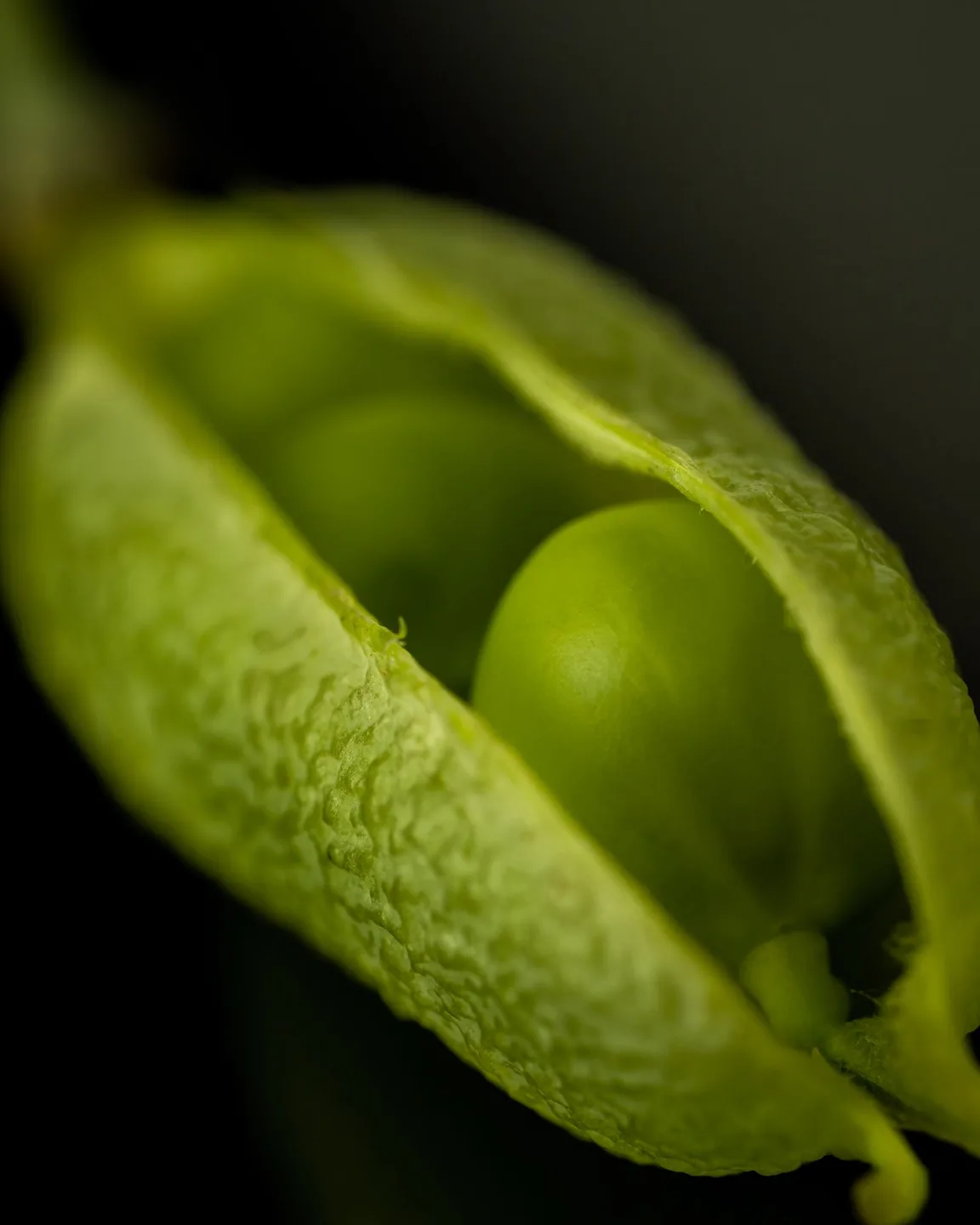
The cook who adds a handful of peas to a pot of rice just before serving has made a small decision with a large effect. The pale dish gets a bit of green, and the next spoonful has a distinct little sweetness against the rice. It feels like a deliberate pairing when the peas are warm and plump. Add them too early and the color fades, the skins may wrinkle, and the vegetable that should lift the dish starts to feel like an obligation. A bag of frozen peas contains a remarkable amount of control over timing. You can take out a single cup and leave the rest exactly where it is.
A plain bag of peas is easier to work with than one that includes a sauce. Small or petite peas give a softer bite when you want them whole in a dish. Larger peas are useful for soup or a rough mash. Compare the bags that are available rather than treating size as an infallible promise of tenderness. Frost or an occasional small cluster is common. A solid block is inconvenient for portioning and may signal that the peas have thawed and refrozen, so choose a looser bag when you have the option. At home, put it away promptly and squeeze extra air out of the open package before resealing. A scoop or dry measuring cup keeps the work quick.
Get the timing right in something already cooking
A pot of barley or a pan of orzo is a natural destination. Wait until the grain is tender and its excess liquid is nearly gone. Cook the frozen peas according to their package directions, either in the hot grain if the mixture will give the peas the prescribed cooking conditions, or separately and drained before combining. A large handful dropped into a small warm pan will cool it at once. Increase the heat briefly if needed and wait for it to recover before judging how long the peas have cooked. Stir from the bottom and try one. It should taste hot through, with the faint resistance of a tender vegetable when you press it against your teeth.
A squeeze of lemon or a spoonful of chopped mint usually works better at the end than a long simmer in an acidic broth. The finishing step lets a clear pea flavor stand out. It also lets you adjust to what the main dish already contains. A salty grain pilaf with stock may need only zest. A bowl of plain rice might do better with both lemon juice and a little butter. Small quantities matter. A crowded pot with a pea in every mouthful reads differently from one in which a few arrive at random. Plan the amount according to the dish's existing textures.
Pasta can be even quicker. Cook the peas in a little pan beside the pasta and combine after draining. The extra pan earns its place if the pasta has a precise stopping point or if the frozen peas would cool the water and make it hard to judge. Reserve a cup of pasta water before you drain the noodles. In the warm empty pot, melt a knob of butter with a tiny amount of grated garlic, then toss the pasta and peas with the butter. Loosen a stiff mixture with a spoonful of the pasta water. The simplest version is good with cracked pepper. Parmesan makes the same bowl more savory and may replace a pinch of salt.
Give toast a green topping with uneven texture
Peas make a particularly useful spread when they are coarse enough to feel like a vegetable. Cook a cup of frozen peas according to the package and drain well. Set a quarter cup aside. Put the rest in a shallow bowl with two teaspoons of oil, the grated zest of half a lemon, and a pinch of salt. Use a fork to press them against the bowl, turning the bowl as you go. Once the pile starts to hold together, fold in the whole peas. Taste a spoonful. Add lemon juice a teaspoon at a time if the sweetness needs a sharper edge. The spread is ready when it clings to a piece of bread without falling in dry clumps.
Toast the bread and put it on a rack or stand the slices against each other for a few seconds. A slice laid directly on a cold plate catches steam underneath and softens right where you want it crisp. Spread each piece almost to the edge and leave the top a little uneven. It makes room for a topping without asking you to pile everything in the center. Crumbled feta and mint are a good match if the toast is part of lunch. A little sliced radish gives the top a cold crunch. Fried shallots add a deeper flavor, which is useful when the peas are going beside a plain soup.
You can scale this technique to a plate for several people. Put the mash in a shallow dish, spoon a little oil into the hollows left by the fork, and serve the toast separately. If you chill the spread first, check the seasoning again before serving. Cold can make its sharper flavors seem more subdued. Stir in a little freshly chopped mint or squeeze another drop of lemon over it. Refrigerate leftovers promptly and use them within ordinary cooked leftover storage guidance. The mash makes an especially good filling for a sandwich eaten soon after assembling. Put it between lettuce and cheese if you want to keep the bread dry.
Let soup get its body from peas
A quick pea soup needs one small onion, two cups of peas, and enough light stock or water to cover them. Dice the onion, soften it in a spoonful of oil, and add the liquid once the onion is translucent. Add the peas and follow their package directions for cooking. A vegetable with this little structure turns into soup readily, so a long simmer rarely pays off. Save a few cooked peas for the bowl if you like a visible garnish. Blend the rest to the texture you want, following the safety directions for your equipment when blending hot liquid. An immersion blender in a deep pan is convenient. Work with the blade submerged to reduce splashes.
Add the last little bit of stock after blending. A thick puree can look almost too dense in the pan and become a comfortable soup once loosened with a few tablespoons of hot liquid. Thin soup is harder to rescue without adding more cooked peas or losing brightness through reduction. Taste before deciding whether it needs any dairy. A dollop of plain yogurt at the table leaves more room for the pea flavor than stirring a generous pour of cream through the pot. A spoonful of reserved peas and a few chopped scallion greens turn a uniform bowl into something with a little movement.
When you want a darker flavor, cook the onion a bit longer at the start and finish with a few drops of good sherry vinegar. For a more delicate soup, use the white part of a leek and add the greenest herbs just before blending. A piece of toast rubbed with a cut clove of garlic gives the bowl a savory edge. Serve it on the side so each person can choose how long to dip it. Small dishes built out of such ordinary components benefit from letting each component keep its own character.
Build the freezer habit around portions
A bag of peas can solve the problem of a dinner that is otherwise the same texture from end to end. Stir them into a soft potato mixture or give a warm barley bowl a little rounded sweetness. Put a modest amount beside a salty grilled sandwich. In each case, judge whether the dish wants whole peas or smashed ones. Whole peas roll around on toast and make it difficult to take a clean bite. Mash vanishes in hot soup. Choosing the shape and position gets more out of the vegetable than adding a larger serving and hoping it will improve the plate.
There is a small opportunity cost to leaving a bag forgotten at the back of a crowded freezer. Keep open peas near the other ingredients you use in handfuls and note the date if the bag is hard to identify. Use a clean dry scoop, close the bag, and return it to the freezer before you get distracted by the pan. Peas that have been cooked need the same safe handling as other cooked vegetables. FoodSafety.gov recommends cooling and refrigerating perishable leftovers promptly. A few spoonfuls that would otherwise be wasted can be put in a shallow container and used in a dish you already plan to make.
A new bag of peas does not need a special recipe to justify its place. The last little bit of an open bag can add a sweet note to a warm side dish. A full bag can anchor a meal of soup and bread. Between those two uses are the bowls, pans, and ordinary slices of toast that make cooking at home worth the short trip to the freezer.