A Packed Lunch That Stays Crisp
Pack cold ingredients in the order you will eat them, and let vegetables and crisp toppings meet their dressing at lunch.
8 min read
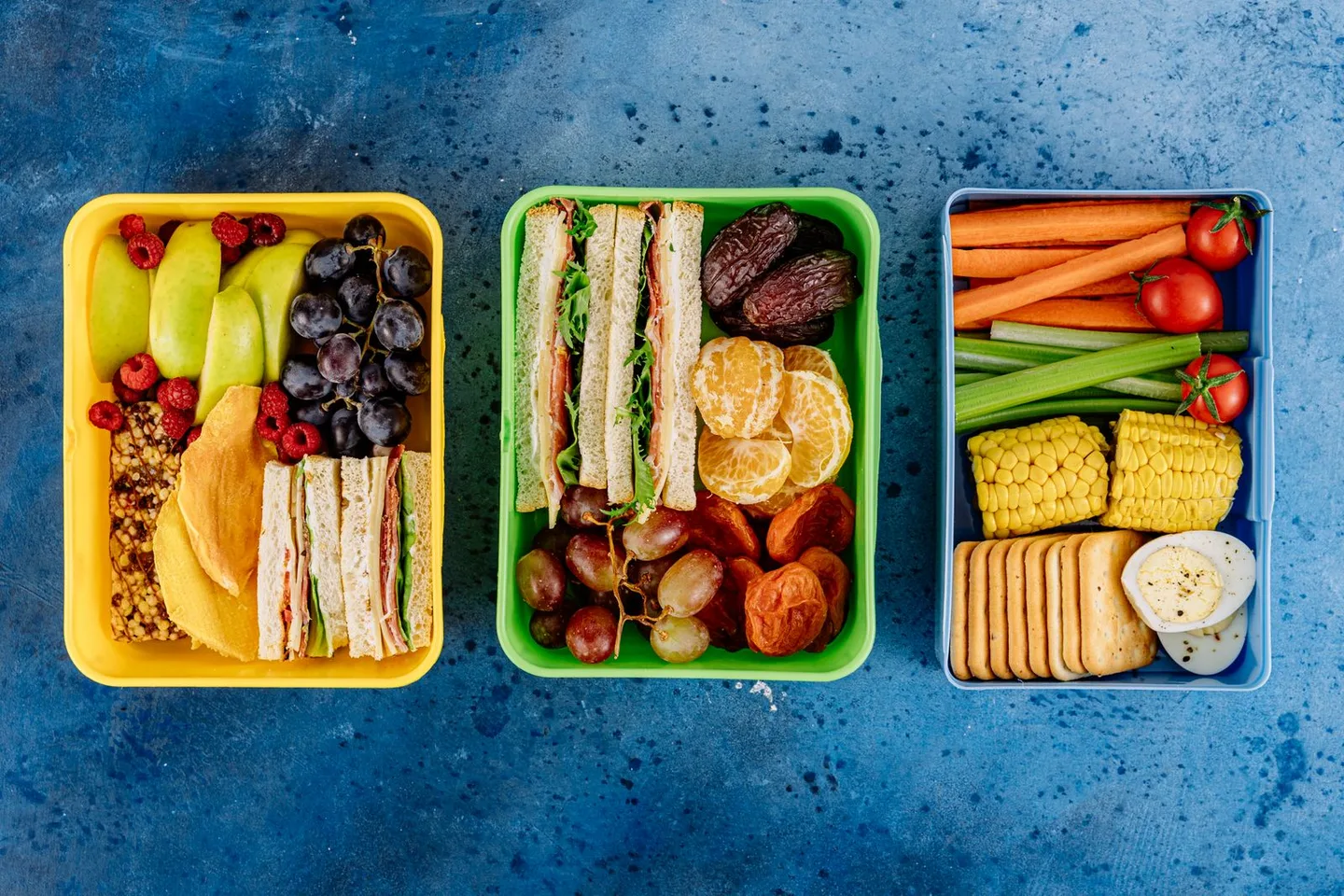
Open a packed lunch at noon and you can usually tell which part of it went in last. A spoonful of dressing may have soaked the bottom corner of a sandwich. Crackers laid on a salad can be too soft to lift. The lettuce still looks acceptable but has lost much of the snap that made it appealing in the morning. Some of this is a question of time. Most of it is a question of where things touched during that time. When you set out to build a lunch you will enjoy eating, think about what should stay apart until you open the box.
Before choosing containers, work out where you can keep the meal cold. The USDA recommends packing perishable food in an insulated bag with at least two cold sources, positioned above and below it, or refrigerating it on arrival. Two small frozen gel packs are often easier to place around lunch than one large one. If there is no dependable place to keep it cold, plan a shelf-stable lunch with whole fruit, dry crackers, and sealed products that say they can be stored at room temperature. Transfer cold food directly from the refrigerator when packing. The bag is a way to maintain a cold meal while it travels. A warm container packed beside a small ice pack puts both components at a disadvantage.
Give the wet part a secure little container
A small amount of dressing should travel in a watertight container with a threaded lid. Water test the container over the sink before relying on it in a work bag. Fill it partway, close it, dry the outside, and turn it upside down. Inspect the ring and seams. A tiny seal gap that seems harmless at home can spoil the lunch you built around it. When the container is dry, measure dressing for one portion. A jar with enough for three portions tempts you to pour heavily. A dressing that covers a few beans and leaves some dry areas tastes more interesting than a uniform layer.
For a first lunch, put chickpeas and short pieces of cooked green bean in the main box with firm raw pieces of bell pepper. Tuck a few parsley leaves into the top. Put mustard, cider vinegar, oil, and a pinch of salt in the small jar. At lunch, dress just the part you are ready to eat. A clear container helps because you can look at the remaining portion before deciding whether it needs more. If you have room, bring a dry piece of bread or a small packet of seeds alongside it. This gives you a proper meal with contrasting textures and lets you taste the vegetables before they have spent hours in a sour liquid.
A thick condiment can often stay in the same container as another wet ingredient. A spoonful of hummus at one end of a box of sturdy cut vegetables is handy if a rigid divider holds it in place and the whole container remains chilled. For a long commute, use a separate well-sealed tub. Store the vegetables dry on a clean towel until packing. A cucumber just out of its wash is going to add more water to a packed dish than one wiped dry. Put the softer slices higher than the firm carrot sticks so they do not carry the weight.
Think in layers when you pack a sandwich
There are sandwiches that taste better after a brief rest. A thick roll with roasted vegetables can use the time to take up some of their flavor. Most ordinary bread behaves differently. Start with a dry barrier on the inside. A thin layer of butter can help, or a large dry lettuce leaf can separate juicy ingredients from the bread. Wrap the sandwich snugly enough to keep it from shifting, though avoid pressing the soft middle together. The wrapping can help hold the layers in place while you cut it. Keep the whole sandwich refrigerated or in the insulated bag with its cold sources.
If the sandwich has exceptionally juicy components, pack them separately. Put sliced tomato in a leakproof box with no salt until serving. On a sandwich filled with a prepared chilled bean spread, bring a few slices of radish to add at the table. They are quick to place and noticeably crisp. A thinly sliced pickle can travel in the same jar as the tomato if you want its flavor to mingle. A pickle with a flat cut face is easier to fit into the sandwich than a round spear. This is a detail worth deciding at home when you have a knife and board.
Pita is particularly forgiving when the lunch needs to be assembled at a desk. Open the pocket at home and keep the filling cold in its own container. Use a small spoon to fill one half at a time. The bread is easy to eat while the freshly mixed filling still has texture. A wide wrap is convenient if you pack it with a dry layer on the outside and leave room at the edges for folding. A wrap with too many pieces of firm vegetable tends to split down its middle. Slice vegetables thinly or offer them as a separate side. You will get the crunch with fewer spills.
Let ordinary leftovers occupy one part of the box
A few spoonfuls of cooked grains or roasted vegetables add substance to lunch, especially when the rest of the box contains cool raw food. Cool and refrigerate cooked leftovers promptly, then pack only the portion you intend to eat. FoodSafety.gov gives short storage guidance for refrigerated leftovers. If you want the cooked ingredients hot, keep the cold vegetables and dressing in their own containers and heat the leftovers at work to 165°F or 74°C. This takes only a little planning and gives you two textures that would otherwise meet in the middle and become uniformly lukewarm.
Try building a box around leftover roasted sweet potato. Add a few spoonfuls of chilled cooked lentils to give the potato something savory to sit against. Take a small packet of pumpkin seeds, a handful of sliced greens or bell pepper, and a jar of lemon dressing. Warm the potatoes and lentils if you can, then add the cool part of the lunch afterward. If you eat the bowl cold, taste before you finish packing the dressing. Chilled cooked ingredients can seem slightly dull, and a little citrus zest or pepper can make more difference than another spoonful of oil. A little salty cheese is a reasonable extra if your preference and refrigeration allow it.
A leftover serving that feels too small can be part of a satisfying lunch once a few familiar additions arrive. Pair a portion of cooked vegetables with a small bread roll and a piece of fruit. Add a plain yogurt or a separate helping of beans where it suits the meal. There is no need to assemble five tiny boxes when one main dish and an accompanying fruit would travel better. A large compartment gives you space to turn dressed ingredients with a fork. You can still carry a dry topping in a little paper packet if you keep the packet apart from ice and condensation.
Even a tidy lunch box can be awkward if the only available fork is too short to reach into it. Put the utensil in the bag while you fill the box. A folded cloth or napkin gives you a clean place to rest the lid and catches a stray drop of dressing. These things are especially helpful when lunch happens on a park bench or during a short break without a table.
Make packing easier to repeat
Choose containers that you actually like opening. A difficult snap lid may be fine at home and irritating at a crowded table. When buying a container, think about how you will wash the corners and whether a replacement seal is available. A shallow box is often better for sandwiches and cut fruit because you can see everything and take out one part. A deep jar is useful for dressing or a soup you will keep chilled and reheat later. Tall narrow jars can make eating a layered salad frustrating unless you also have a bowl into which you can tip it.
A few pantry items can simplify the decision late in the week. Keep a package of crackers, a little dried fruit, and an unopened shelf-stable can or pouch you like. Check the storage directions before including them in a lunch without refrigeration. Add a whole apple or an orange, which travels better intact. For a chilled lunch, slice sturdy vegetables at the beginning of the day and leave them uncrowded. If there is nothing in the refrigerator but yesterday's soup and a good piece of cheese, take the soup in a sealed cold container for reheating, leave the cheese cold, and bring the crackers separately.
A comfortable packed lunch comes from arranging a handful of decisions in a repeatable order. Check the cold storage available, divide ingredients by how wet they are, and save the crisp additions for the moment you eat. A quick pour of dressing or a few radish slices can feel like the difference between opening leftovers and making lunch. The meal still took very little work in the morning. It simply spent the intervening hours in an arrangement that was kind to the ingredients.