Three Fish Dinners for Different Shopping Days
Use fresh fish on the day you can get to the shop, frozen fillets when the calendar is uncertain, and a tin when there is little time at all.
8 min read
Fish dinner is easiest to plan when the shopping trip is part of the recipe. A whole fresh fillet from a shop nearby is an appealing choice when you can bring it home cold and cook it soon. A sealed frozen portion can wait through a crowded week and thaw on a day when you know you will be home. A good tin of sardines can make supper on a night when neither of those plans survives. All three dinners can taste intentional. Give each kind of fish the cooking and seasoning that suit it instead of expecting it to perform the same way.
Choose fish suited to the people eating it. Fish vary in mercury, and the FDA and EPA fish advice chart is a useful reference for people who are or may become pregnant, people who are breastfeeding, and caregivers choosing fish for children. If the fish was caught by friends or family, check local advisories. The three dinner ideas below illustrate shopping situations. Pick the kind and quantity that make sense for your table. Fish is also a major allergen, and storing a sealed portion or preparing a different dinner may be necessary when sharing a kitchen with someone who must avoid it.
The evening you can reach the fish counter
Ask how thick the portions are before you decide how to cook them. A thin fillet needs close attention. A thick piece takes longer for its center to cook and gives you more time to finish a side dish. Fresh fish should have a mild smell. Avoid fish with a strong sour or ammonia odor and look for firm flesh. Take the fish home cold. Store in a refrigerator at 40°F or 4°C or below and follow the product's directions, cooking it promptly. If you will need longer, choose frozen fish or freeze the fresh fish while it is still in good condition. Keep raw fish separate from vegetables and other foods you will eat without cooking.
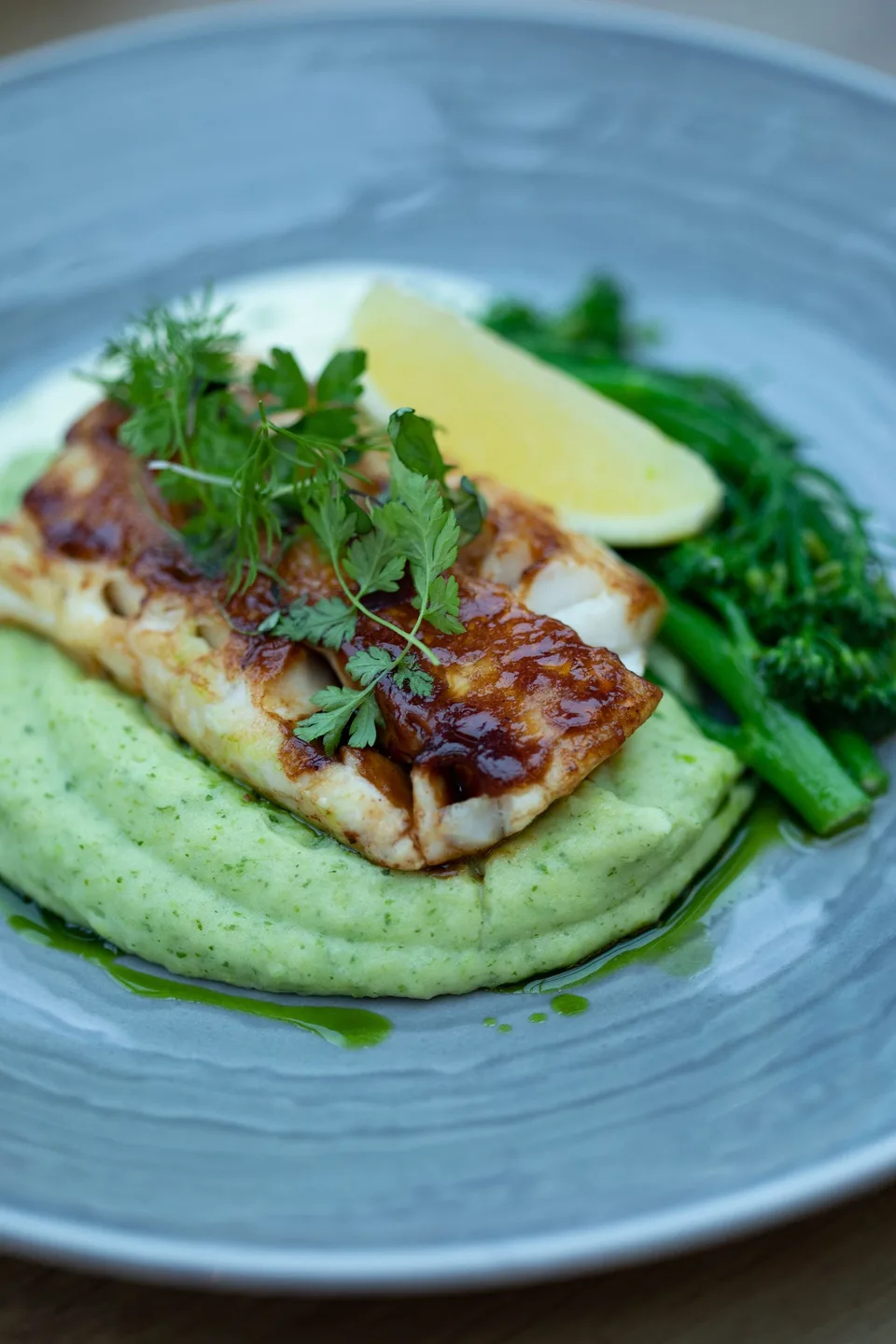
For a dinner built around a thick piece of salmon, put the vegetables in first. Spread broccoli florets and lengths of stem on a lightly oiled metal tray. Give them an initial roast so that there will be time for the cut faces to color. Prepare the fish on a separate lined tray, coat it lightly with oil, and season with salt and a little lemon zest. Add the fish to the oven once the broccoli has started to soften. Using two trays lets you take each one out when ready. Fish should reach 145°F or 63°C in the thickest part. Use a thermometer, inserting it from the side if the piece is thin enough that probing from the top would miss the center.
A fresh fillet can make a simple dinner seem finished without a sauce that needs another burner. Put some plain yogurt in a small bowl, add chopped chives and a little lemon zest, then season to taste. Prepare it with clean utensils away from the raw fish. Serve a spoonful beside the hot salmon rather than over the browned surface. Put the broccoli on a warm plate, and add boiled potatoes or bread if you want something to catch the sauce. Keep cut lemon at the table so people can add more acidity without needing a heavily seasoned fillet.
A smaller piece of fish can be cooked in a skillet if that is what you have room for. Look at the thickest edge and imagine how far the heat has to travel. Use a little oil and moderate the heat once the surface has started to color. A hot skillet can quickly turn the outside dark while the middle is still translucent. Finish gently and check the temperature. Try seasoning the pan-cooked fish at the table with chopped parsley and a spoonful of well-drained capers. The capers add enough salt that you may prefer a lighter hand when seasoning the raw fillet.
The portion you can take out of the freezer when the week settles
Choose individually wrapped portions if the number of people eating changes often. They are easier to take out one or two at a time. Look for intact packaging and fish that is still frozen when you buy it. Follow the label when thawing, including any instruction to remove fish from vacuum packaging before thawing. Refrigerated thawing is a reliable method when you remember in advance. Set the fish in a container that can catch any liquid and keep it away from ready-to-eat food. An overnight thaw is often enough for a small portion, though larger portions need more time. Plan to cook the fish promptly once thawed.
A mild white fish such as cod or pollock gives you time to make a vegetable mixture while the fish cooks. Soften chopped onion in a saucepan, add a handful of chopped tomatoes and a little water, and simmer until the pieces have settled into a loose sauce. Season with pepper and a little oregano. Add a few sliced olives near the end, then taste before putting in more salt. Cook the fish separately until it reaches the safe internal temperature. Lay it in a shallow bowl and spoon the tomato mixture along the side. The sauce gives every bite some liquid while the fish keeps a recognizable shape.
Thin fillets can be particularly good with a plain accompaniment. Boil a few potatoes and crush them lightly with olive oil while they are warm. Arrange fish beside them rather than flaking it into the potatoes as soon as it is cooked. That leaves the sauce free to reach both. If you have only bread, toast the slices and serve them on a separate plate until you are ready to dip. A wide, shallow soup bowl is more comfortable for this dinner than a flat plate if the tomatoes have stayed especially juicy.
When the freezer has several different kinds of fish, write the date and type clearly enough that you can see them before pulling out a package. The thin bag left from a family pack can be hard to distinguish from other white fish. If the instructions are on the outer bag, keep that part or photograph it. Labeling helps with the next shopping trip too. A package whose portions worked well on a particular tray is easier to buy again if you know the weight and cut rather than just the species.
The tin that can become dinner with a piece of bread
A shelf-stable tin of sardines is good when the rest of the ingredients still have some crunch. Read the package to see whether the fish are packed in water, oil, or a strongly flavored sauce. A tin packed in oil may need little extra fat. Drain some of the oil into a small bowl if you want to taste it for a dressing, or discard it if the flavor is too strong. Use any tin that has been stored according to its label and is in good condition. Avoid cans that are leaking, bulging, or severely damaged.
Toast thick slices of bread. Rub each piece with a cut lemon or spread a little plain mustard across it. Lift pieces of sardine onto the toast with a fork and leave them largely intact. Add thinly cut radish and parsley. The fish is soft enough that it can feel heavy under a thick topping. A few crisp slices lighten the first bite and keep the bread from having to carry too much weight. Cut a small tomato into wedges if one is available and serve it alongside. Its juice will stay off the toast until you want it.
A tin can also be shared among bowls of warm potatoes and greens. Cook the potatoes, then break them into a bowl with a fork. Add cooked or clean ready-to-eat greens of your choice and dress lightly with vinegar and oil. Flake the sardines over the top last. This gives you room to decide how much fish belongs in each serving. A few chopped olives or a sprinkle of celery leaves can make the plate more distinctive, but leave a little quiet space around the fish. If you open more than you use, refrigerate the remainder promptly in a covered container and follow safe storage guidance.
Before opening a tin, check what else is ready. If the bread has gone stale, slice it thinly enough to toast or turn it into small crisp pieces for the potato bowl. If you have only a small amount of cooked potato, add another vegetable as its own portion. A tin divided between two people can give each plate a few distinct bites without asking the fish to provide all the substance of dinner.
Let the shopping day choose the dinner
A fresh fillet makes sense when the shop, refrigerator, and table are all close together in time. Keep a frozen portion for the day that comes into focus one evening in advance. Put a tin in the cupboard for a night that offers neither a shopping window nor a plan to thaw anything. The best companion for those dinners might still be the same vegetables you buy every week. Roast them when you have the oven on, boil them when you need the stove, and choose something crisp and raw for the meal built around a tin. Once the type of fish fits the schedule, dinner has room to be simple.