The Three Useful Stages of a Pear
Match the firmness of a pear to the job it will do, from thin slices for a salad to soft fruit for a skillet compote.
8 min read
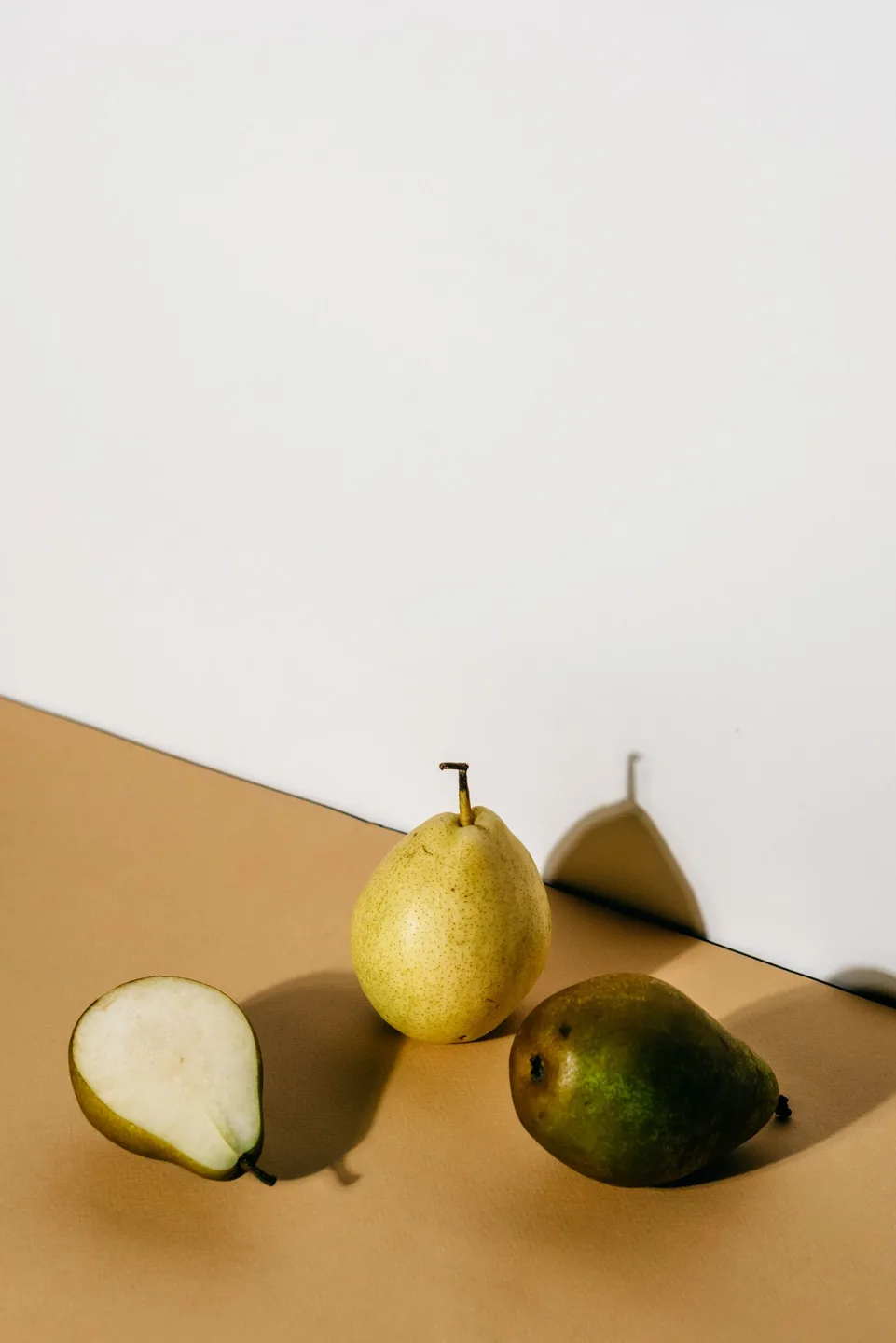
A pear can look perfectly composed right up to the moment it falls apart under a knife. Another from the same bag, with the same freckles and similar color, may offer enough resistance to send the knife skidding toward the board. Treat those fruits as interchangeable and a pear salad can become wet and ragged. Wait for both fruits to soften and you miss the chance to make a salad whose slices stay nearly as crisp as fennel. The useful question is which stage of ripeness suits the dish you want to eat.
Start with a gentle press near the stem. A fruit with very little give is the one to cut thin or cook in liquid. A small amount of give suggests the flesh will slice cleanly and still taste juicy. A pear yielding all the way down the side needs a softer assignment. These are kitchen judgments, and some varieties have firmer flesh than others even at eating ripeness. Cut and taste a piece when you can. The taste and feel of that piece matter more than an exact reading of the skin color.
Give the firm fruit a knife or a little heat
Set a firm pear upright and cut a broad cheek away from the core. Lay the flat surface on the board, then slice across it as thinly as you can without letting the piece rock. Repeat on the remaining sides. The irregular little pieces cut from around the core are good cook's snacks. A dense pear, still a day or two away from dessert softness, can make surprisingly elegant translucent slices this way. Cut from the side with the strongest pear fragrance first if you want a quick sense of what the rest of the fruit will taste like.
For a bowl of salad, start with shaved fennel, firm pear, and a little torn parsley. In a wide bowl, rub a pinch of salt into a teaspoon of cider vinegar and add two teaspoons of oil. Toss the fennel in first. Add the pear just before serving, when the vinegar already coats the bowl and a few turns with your fingers will distribute it. If the pear is exceptionally tart, swap a spoonful of cider vinegar for a gentler white wine vinegar on the next batch. If the pear is almost bland, use a few toasted sunflower seeds or a little crumbled feta for contrast. Both bring a separate texture that makes each forkful more interesting.
Heat gives the same fruit an entirely different purpose. Peel it for a delicate poached dessert, or leave the skin on if the fruit is headed for a plate with something rustic, such as toasted oats. Halve and core two pears. Choose a pan just wide enough to hold the halves in one layer. Combine about two cups of water with two to four tablespoons of sugar, a wide strip of lemon peel, and two thin slices of fresh ginger. Bring to a simmer and ease the fruit into the liquid. Use enough liquid to keep most of the fruit submerged, turning the halves if needed. A very wide pan requires more liquid and more seasoning to reach the same level.
A knife tip through the thick shoulder is the most useful test. A half that feels tough in the middle needs more time even if its edges already look translucent. Begin checking after about ten minutes and keep the simmer gentle. Large, very firm pears can take substantially longer. Lift finished halves out as they become tender. Continue simmering the liquid separately if you want a stronger syrup. Reducing the liquid with delicate pears still in it makes it hard to catch the short interval between tender flesh and an awkward collapse. Cool the fruit and syrup and refrigerate promptly if serving later.
Make the middle stage do its best work raw
A slightly yielding pear can make a piece of lunch toast worth sitting down for. Toast a thick slice of sturdy bread, let the steam escape, and spread it with ricotta or a lightly whipped plain cream cheese. Slice the fruit into wedges of even thickness and fan them loosely across the toast. Finish with chopped pistachios, cracked pepper, and a little lemon zest. The space between the wedges lets the softer cheese come through, and a warm slice of bread smells better when it has had a brief rest and is still crisp. Too many pear slices overwhelm the cheese and make the toast difficult to pick up.
On a cheese board, try offering the fruit in quarters instead of thin slices. Cut away the core, then put the quarters on the board just before serving. They hold better than a neatly fanned arrangement prepared too early and are easier to split into bites on a small plate. A crumbly aged cheese has enough salt to stand up to a ripe pear, while a softer washed-rind cheese can make the sweetness seem more pronounced. Put nuts off to one side if guests need to avoid them and use a separate serving utensil for each item. A cut pear is generous enough that a board with three people rarely needs three whole fruits at once.
Some pear flesh browns after cutting. That oxidation looks more conspicuous on the translucent cheek of a light pear than on the side near its skin. For a salad that will travel, put a little lemon juice in a cup, dilute with a splash of cold water, and lightly coat each wedge before packing it in a chilled container. Drain off the excess so it will not water down your salad. If the rest of the dish is already tart, cut the fruit as close to serving as practical and take advantage of the cleaner flavor of an untreated slice. A little browning on recently cut sound fruit is mostly a matter of appearance.
Put soft fruit in a shallow pan
When a pear is fragrant and very yielding, peeling it cleanly may be more trouble than it is worth. Cut it in half, spoon out the core, and scoop the usable flesh from the skin. Check the whole fruit and discard it if it is moldy or spoiled. Put the ripe pieces in a skillet with just enough water to cover the bottom. For two medium pears, start with a tablespoon or two. Add a little lemon juice and bring to a quiet bubble. Press only the largest pieces against the skillet with a wooden spoon. A few tender lumps give the finished fruit body and a pleasing difference between bites.
Use a skillet rather than a deep saucepan if you want a loose compote to concentrate quickly. Its wide surface lets moisture evaporate, though it also means that the edges can go sticky before the middle catches up. Stir across the entire base, including the thin film that runs to the perimeter. Taste after five to eight minutes. Soft fruit often needs a touch more lemon long before it needs sugar. A pinch of ground cardamom is good with pears that smell faintly floral. A spoonful of minced candied ginger makes more sense with a big, honeyed pear whose flavor could otherwise disappear into the sweetness of the dish.
Serve the result warm over toast, spoon it alongside cold yogurt, or cool it in a shallow container and refrigerate it promptly. For a dessert with two different textures, put a little compote under toasted oat crumbs and keep the crumbs in their own jar until you are ready to eat. Cooked pear is also good against a sharp savory flavor. On a sandwich, spread a thin layer on one piece of bread and layer with tangy cheese and peppery leaves. Keep that layer thin enough to stay put when you cut the sandwich in half. It behaves more like a loose relish than a commercial jam and should be stored in the refrigerator for short-term use.
Buy for the next few meals
If you can choose fruit individually, put one yielding pear and two firm ones in your basket. Use the ready pear first and let the firmer fruit finish ripening at room temperature where you will see it. Keep the fruits where they will not get bumped or crushed. Check them daily. Once a pear reaches the texture you want, refrigeration can buy a little time, though cold fruit may seem less aromatic and firmer until it warms slightly. USDA pear inspection guidance makes that distinction between cold firmness and how a fruit tastes after it has warmed. A pear should still feel inviting at room temperature when you plan to serve it in quarters at the table.
You may find a long-necked pear with a rough russet surface holds its shape well in a baking dish, while a thinner-skinned, round-shouldered pear makes a better wedge for a snack. Individual fruit varies within those categories. Peel a poaching pear if its skin feels leathery and you want to serve the whole half with a spoon. Leave the skin on if it is delicate and the look of it is part of the dish. The same approach works at a farm stand and in the supermarket. A label suggests what to expect, a piece of fruit in your hand tells you what to make.
Anyone who buys fruit by the bag will eventually get several pears ripening together. Set aside one for eating immediately. Cook two for a couple of breakfasts, and make a plan for the rest before the stems start disappearing into collapsing shoulders. A half can be poached while you clear the dinner plates. Thin slices can go into a lunch salad with a bitter leaf, a little cheese, and a sharp vinaigrette. A pear that gets soft just before bed can become a quick fruit topping in the morning. When the choices are small and practical, three very different pears can fit into a week without requiring three desserts.