What to Do with a Jar of Tahini
A jar of ground sesame seeds can season noodles, dress vegetables, and give shortbread a toasted edge. First get to know how the paste behaves.
8 min read
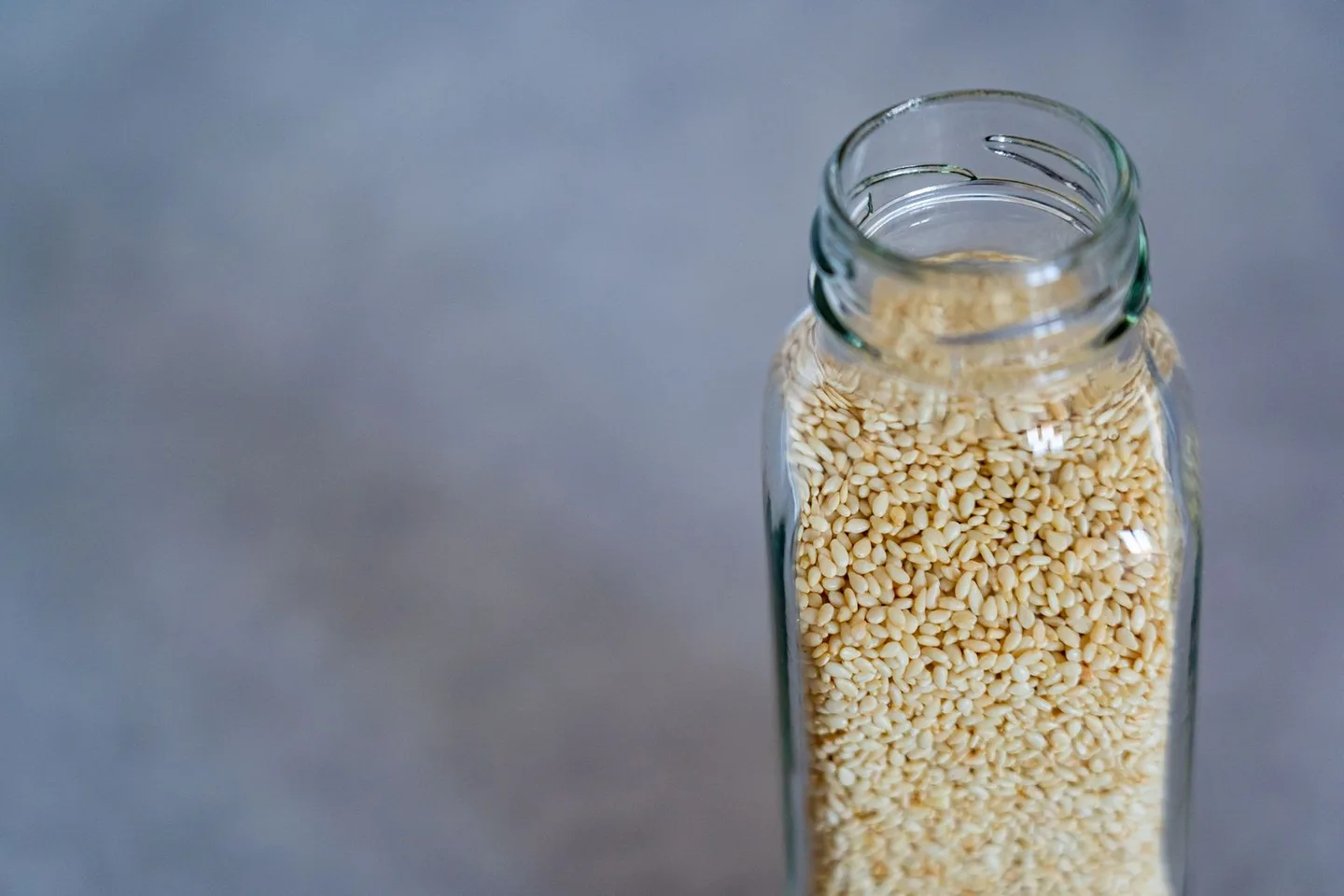
The first spoonful from a jar of tahini is often misleading. The spoon slips through a slick of oil, hits a wall of firm paste, and comes out coated in both. The bottom of the jar is more concentrated than the top. The solution is to mix the whole jar before measuring. It is the first of several useful things to know about a paste that can go from heavy and dense to light enough to pour with the addition of a few spoonfuls of water. Once you know what to look for, the jar can sit next to your mustard and oils and earn its place on a night when all you are cooking is vegetables.
Tahini is made from ground sesame seeds. A pale paste made from hulled seeds often tastes milder than a paste with darker roasting or the seeds' outer hulls. Brands vary substantially, and the package cannot tell you exactly how much bitterness will stay after you swallow. Try a small dab on a piece of bread before putting it into the dish. If you have two options in the shop, consider what else you keep on hand. A dark, assertive jar might go further on toast and in cookies. A lighter jar can work as both the dressing for greens and the binder for a lunch spread. The usual extra large container is only useful if you actually want that flavor week after week.
Bring the bottom of the jar up to the top
Put the jar on a dry folded towel. Use a sturdy spoon or rounded dinner knife to reach the settled material at the bottom. Work around the perimeter before trying to lift the middle. Move slowly, because a hard lump lifted abruptly can send the oil at the top over the rim. A deep jar makes this awkward. Tip the contents into a bowl with high sides if you have space to scrape and stir, then spoon the mixed paste back into its original container. Once the color and consistency look even, run the spoon around the base one more time. Hidden pieces of paste are easier to incorporate while you are already doing the work than after your first batch of dressing.
Keep the jar according to its label. Refrigerated tahini can be stiffer than one used at room temperature. Measure it by weight if you need consistency for baking or if your tablespoon is difficult to empty. Use a clean dry utensil when you return to the container. Water that belongs in your dressing should stay in the dressing bowl. If the jar smells stale or the product looks spoiled, discard it. A certain amount of bitterness is a feature of sesame. A rancid smell is a separate sign that a jar has passed its useful life.
Sesame is a major food allergen under U.S. labeling rules. When you are serving others, say that the sauce or baked item contains sesame, even when the color and appearance give nothing away. A pale tahini dressing can look like yogurt sauce. Keep serving utensils separate when different dishes are going on the same table, and check packaged ingredients when cooking for someone with an allergy.
The dressing that thickens before it loosens
Start with three tablespoons of well-stirred tahini, a tablespoon of lemon juice, and a pinch of salt in a bowl. Stir with a fork. The mixture may thicken rapidly and look almost as if it has seized. Pour in cold water a tablespoon at a time and keep stirring, scraping the corners after each addition. Some jars need quite a lot of water to get to a consistency that pours from the spoon. When the sauce turns pale and settles slowly back into the bowl, stop and taste it. Add salt or another teaspoon of lemon juice if it needs either, then adjust the water again. Taste it with a sample of the vegetable you mean to dress.
This sauce wants a vegetable with some texture. Drizzle it over roasted cauliflower, letting some of it land in the crevices, then add a handful of chopped parsley. Put a little at the side of a plate of steamed green beans so the beans can be drawn through it one at a time. A bowl of raw sliced carrots calls for a thicker version that stays on the cut end of a piece. Add less water for that application. If you make a batch to use later, refrigerate it promptly in a covered container. Expect it to thicken a little when cold and whisk in a drop of water before serving.
For a useful variation, grind a small pinch of cumin between your fingers and add it with the lemon. If the sesame is already forceful, a small amount of ground spice is enough. A few drops of pepper sauce can give it a different direction. Garlic should be grated finely enough that it disperses. Stir in only a little, taste after a minute, and decide whether the rest of the plate needs any more. The sauce already has a substantial flavor and can overwhelm a mild ingredient even when it looks delicately pale.
Make it a sauce for noodles without a heavy coating
Noodles can wear a darker tahini especially well. Put two tablespoons of sesame paste into a wide serving bowl. Whisk with a tablespoon of soy sauce and a teaspoon each of unseasoned rice vinegar and brown sugar. Loosen with a little hot water from the kettle or the pot of noodles. A large, thick pool of sauce at the bottom of the bowl will collect on the first noodles you drop into it. A looser sauce works its way through the bundle with a couple of turns from the tongs. Start with enough for two small portions and keep a few drops of water available for the last turn.
Choose additions based on the serving temperature. For warm noodles, add scallion greens and cooked broccoli, with the thick stems sliced so they will catch the sauce. For a cold noodle lunch, rinse cooked noodles under cold drinking water when appropriate for the noodle type and let them drain thoroughly before tossing. Use thin pieces of cucumber and put them on just before eating. Salty tahini dressing draws moisture from them over time, and a puddle in the bowl dilutes the soy and vinegar. Keep the cooked noodles and any other perishable ingredients chilled until serving. Add a little vinegar to a serving that tastes flat after being refrigerated.
This preparation leaves room for adjustment. If the paste is quite bitter, use slightly less paste and balance with a small spoonful of an ingredient you already enjoy, such as chili crisp that is appropriate for the people eating. If your soy sauce is strongly salted, add the second half of the measured amount to taste. If the meal has a little cabbage or an egg on the side, use less sauce on the noodles so those components keep their character.
Bake with a modest amount the first time
Tahini is a useful extra flavor in a shortbread you already make. It brings both seed solids and oil, so a straight swap for all the butter changes more than the flavor. For a small experiment, use a reliable shortbread recipe and add a teaspoon of well-stirred tahini to roughly half a cup of butter. Work it in when the butter is soft enough to mix evenly. A tablespoon of toasted sesame seeds in the dough gives a clearer sesame presence with less change to the dough's feel. If the dough feels very soft, follow the recipe's chilling instructions closely and cut one test piece before you commit to an entire tray.
Try the finished cookie after it cools. A warm cookie may smell unmistakably of sesame and then settle into a quieter flavor. If you want more presence next time, use a darker jar or add a very thin line of tahini glaze across each cooled cookie. Whisk a little paste with powdered sugar and water for a glaze, beginning with just a few drops of water. Test on one cookie and let it set before judging. A thick layer can feel pasty, while a thin line can deliver a clean little stripe of flavor and leave the rest of the cookie crisp.
A jar that has become a habit rarely gets all the way to the bottom in a single ambitious dish. It empties because a spoonful of tahini works with the vegetables you already planned to cook or because you found a place for it on toast with a thin layer of honey. Stir the settled paste back into the oil, taste before deciding how to season it, and control how far the water takes it. That gives you more use from one jar than collecting a cupboard full of different sesame condiments.
At the table, the same cookie may pair with a different drink than an ordinary shortbread. A cup of plain tea leaves room to notice the roasted aroma, whereas a sweet milky drink can carry the bitterness into the next sip. If you are giving the cookies away, let them cool completely before packing them. Write sesame on the label and identify any other allergens the recipe uses. An opaque tin hides the glaze and the seeds, and clear ingredients are more helpful than expecting anyone to recognize tahini by appearance.